
 By Car gamerewardz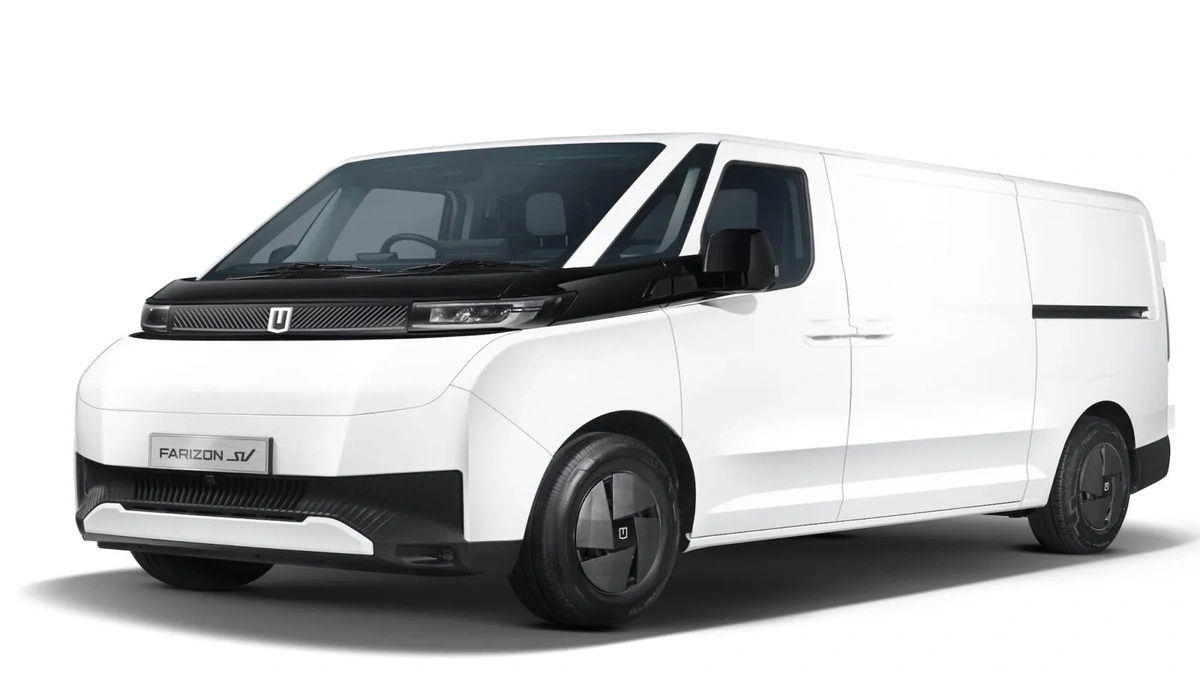
Alright, let’s grab a virtual coffee and talk about something truly transformative happening across the continent: the quiet, yet powerful, revolution of upcoming electric vans Europe is witnessing. It’s not just about a few new models hitting the road; it’s a seismic shift in how goods move, how businesses operate, and even how cities breathe. And honestly, if you’re involved in logistics, urban planning, or just curious about the future of transport, understanding this ‘why’ is absolutely crucial.
I mean, think about it. For decades, the humble delivery van, usually diesel-powered, has been the unsung hero of our economy. But now? It’s rapidly evolving, and the sheer pace of this transformation is what fascinates me. We’re not just seeing incremental improvements; we’re seeing a complete re-imagining of the commercial electric vehicles landscape. So, let’s peel back the layers and explore the deeper implications, because this isn’t just news – it’s a blueprint for tomorrow.
The Unseen Pressures Driving the Shift to Electric LCVs
Here’s the thing: this isn’t happening in a vacuum. The push for electric LCVs (Light Commercial Vehicles) in Europe is a perfect storm of regulatory mandates, corporate sustainability goals, and evolving urban environments. It’s a complex interplay, but let me break down the core pressures that are making these vehicles not just an option, but increasingly, a necessity.
First, you’ve got the stringent emissions regulations from the European Union. TheEuropean Green Deal, for instance, isn’t just a fancy title; it’s a commitment to drastically cut greenhouse gas emissions. This translates directly into tighter CO2 targets for manufacturers, making internal combustion engine (ICE) vans less viable in the long run. Businesses, especially large fleets, are feeling this pressure keenly. They know that investing in fossil-fuel vehicles today means potentially facing higher costs, fines, or even restrictions in the very near future. This isn’t just about being ‘green’; it’s smart business planning.
Then there’s the rise of low-emission zones (LEZs) and ultra-low emission zones (ULEZs) in major European cities. London, Paris, Berlin – they’re all implementing or expanding these zones, often charging hefty fees for non-compliant vehicles. For companies heavily reliant on last-mile delivery, this is a direct hit to their bottom line. An electric van, by definition, is emissions-free at the tailpipe, making it the golden ticket for navigating these urban landscapes without penalty. This aspect alone is a powerful motivator for fleet electrification, pushing companies to switch sooner rather than later.
And let’s not forget corporate social responsibility (CSR) and public perception. Consumers are increasingly environmentally conscious. Companies that can demonstrate a commitment to sustainability, right down to their delivery fleet, often gain a competitive edge. It’s a powerful marketing tool, yes, but also a genuine reflection of changing values. What initially seemed like a niche market for early adopters has now become mainstream, shaping the entire European electric van market.
Beyond the Hype | Practicalities and Performance of New Electric Vans
Okay, so we understand why the shift is happening. But what about the vehicles themselves? Are these upcoming electric vans actually up to the job? This is where the rubber meets the road, quite literally. The good news is, the technology has matured significantly, addressing many of the concerns that plagued early models.
Range anxiety, for instance, is becoming less of a stumbling block. Modern electric vans are offering ranges that comfortably cover most urban and regional delivery routes. We’re seeing models with real-world ranges of 250-400 km on a single charge, which for a typicalbest 7-seater vanor delivery vehicle doing daily rounds, is more than adequate. Advances in battery technology mean better energy density and faster charging capabilities. Speaking of which, the charging infrastructure is rapidly expanding, with more public charging points and innovative depot charging solutions making it easier for businesses to keep their fleets powered up. I’ve seen companies integrating smart charging systems that optimize charging times to take advantage of off-peak electricity rates – a real game-changer for operational costs.
Payload and cargo volume were another concern, but manufacturers are getting clever. By integrating batteries more efficiently into the chassis, many new electric vans offer comparable or even superior cargo capacities to their diesel counterparts. The instantaneous torque of electric motors also means these vans can handle heavy loads with surprising ease, often feeling more responsive and powerful than an equivalent ICE model. This isn’t just about being ‘electric’; it’s about superior driving dynamics for a commercial vehicle.
Maintenance is also a huge win. Fewer moving parts means less wear and tear, leading to lower servicing costs and less downtime. For a business, time is money, and an electric van spending less time in the workshop is a direct boost to profitability. This is one of those hidden benefits that often gets overlooked in the initial purchase price comparison, but it adds up significantly over the vehicle’s lifespan.
Who’s Leading the Charge? Key Players and Van Electrification Trends
So, which players should we be watching in this exciting space? The van electrification trends show that it’s a mix of established automotive giants and agile newcomers, all vying for a piece of the pie. Traditional brands like Mercedes-Benz, Ford, Stellantis (with brands like Peugeot, Citroën, Fiat, and Opel), and Volkswagen are heavily invested, bringing their extensive manufacturing capabilities and dealer networks to bear. They’re rolling out electric versions of their popular models, like the Mercedes-Benz eSprinter, Ford E-Transit, and the Stellantis ‘e-LCV’ family.
But it’s not just the usual suspects. Companies like Maxus (SAIC Motor) are making significant inroads, offering dedicated electric-only van platforms. And let’s not forget the potential for disruptive players. While not a van, Tesla’s Cybertruck, for example, shows the kind of innovation that could eventually trickle down into the commercial space, challenging established norms. The competition is fierce, and that’s great news for businesses, as it drives innovation and brings down costs.
What’s truly interesting is the focus on connectivity and integrated services. Many of these EV van technology platforms are coming with advanced telematics, route optimization software, and predictive maintenance capabilities built-in. This isn’t just a vehicle; it’s a mobile data hub that can help businesses run more efficiently. It’s about creating an entire ecosystem around the electric van, not just selling a piece of hardware. This level of integration is something you rarely see in the traditional ICE van market, highlighting how electric is forcing a more holistic approach to commercial transport.
And then there’s the broader context of5-seater SUV comparison, which sometimes draws parallels to the commercial vehicle market, particularly in terms of battery technology and range expectations, though the use cases are vastly different.
The Road Ahead | Challenges and Opportunities for Sustainable Transport
While the momentum for sustainable transport and electric vans is undeniable, it’s not without its bumps in the road. The initial purchase price, though often offset by government incentives and lower running costs, can still be a barrier for smaller businesses. This is where creative financing solutions and robust government subsidies play a crucial role in accelerating adoption. I’ve seen several European countries offer significant grants and tax breaks, making the switch much more palatable.
The development of adequate charging infrastructure remains a challenge, particularly for those operating out of residential areas or without dedicated depots. While public charging networks are growing, the sheer scale of demand for rapid charging for commercial vehicles requires continued investment and innovation. This isn’t just about putting more chargers out there; it’s about smart grid management and ensuring reliability.
But for every challenge, there’s an even bigger opportunity. The transition to electric vans isn’t just about compliance; it’s about unlocking new efficiencies, reducing operational costs in the long run, and contributing to cleaner, quieter cities. Imagine a future where urban logistics operates almost silently, without the pervasive hum of diesel engines, and with zero local emissions. That’s the promise these upcoming electric vans Europe are delivering.
This isn’t just a trend; it’s the new standard. The European electric van market is set to explode, and those who embrace it early will be the ones best positioned to thrive in the greener, more efficient logistics landscape of tomorrow. It’s a fascinating time to be watching, and participating in, this evolution.
Frequently Asked Questions About Electric Vans in Europe
What are the main benefits of switching to an electric van in Europe?
The primary benefits include lower running costs (electricity is cheaper than diesel), reduced maintenance needs, exemption from urban emission zone charges, and a positive environmental impact due to zero tailpipe emissions. Many European governments also offer incentives for purchase.
How far can the new electric vans travel on a single charge?
Modern electric vans Europe typically offer a real-world range between 250 km and 400 km (155-250 miles) on a single charge, depending on the model, load, and driving conditions. This is generally sufficient for most daily urban and regional delivery routes.
Is the charging infrastructure in Europe ready for widespread electric van adoption?
The charging infrastructure is rapidly expanding across Europe, with significant investments in public and depot charging solutions. While challenges remain in some rural areas, major cities and transport corridors are increasingly well-equipped to support commercial EV adoption.
Are electric vans more expensive to buy than diesel vans?
Initially, upcoming electric vans often have a higher upfront purchase price than comparable diesel models. However, this is frequently offset by government subsidies, lower fuel costs, reduced maintenance expenses, and potential savings from avoiding emission zone charges, leading to a lower total cost of ownership over the vehicle’s lifespan.
Which brands are offering the best electric LCVs in Europe?
Many major manufacturers are active in the European electric van market. Key players include Ford (E-Transit), Mercedes-Benz (eSprinter, eVito), Stellantis brands (Peugeot e-Expert, Citroën e-Dispatch, Fiat E-Ducato, Opel Vivaro-e), and Volkswagen (ID. Buzz Cargo). New entrants like Maxus also offer competitive models.