
 By Car gamerewardz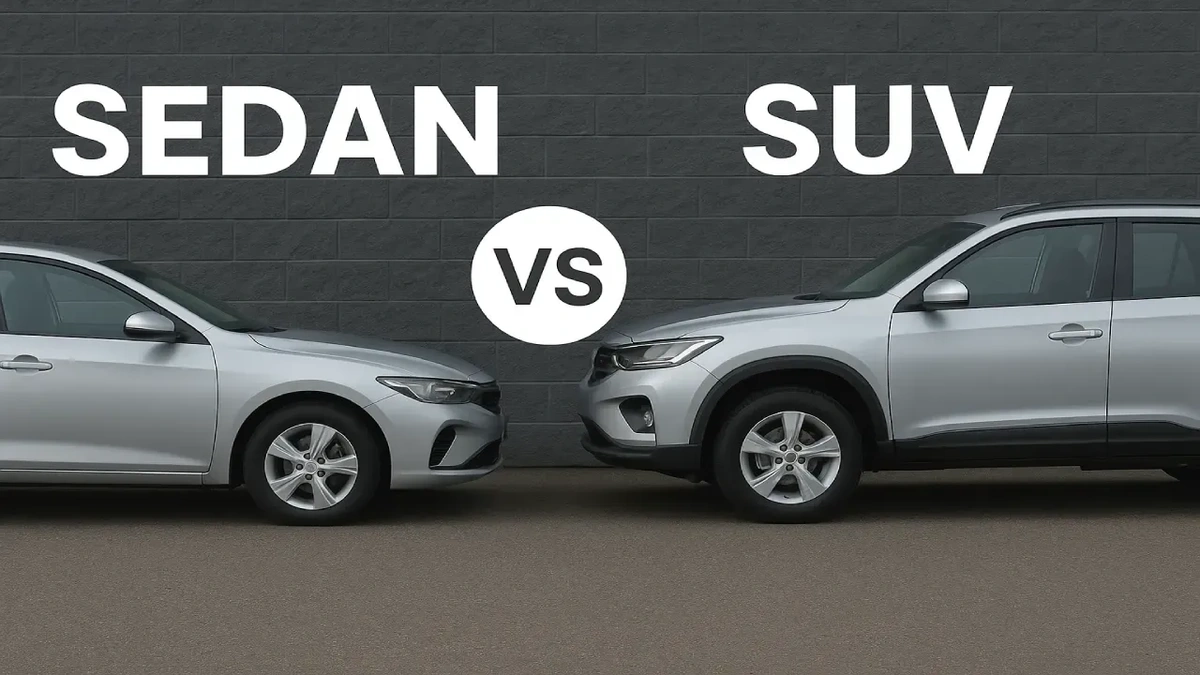
Alright, let’s grab a virtual coffee and talk cars, specifically the great American dilemma: SUV vs sedan resale value USA comparison . For years, the sedan was king, the sensible choice. But then, something shifted. Suddenly, everyone wanted an SUV, and the market responded. Now, if you’re like me, you’re not just buying a car; you’re making an investment, and you want to know which one will hold its value better when it’s time to move on.
The surface-level answer often feels obvious: SUVs, right? They’re popular! But the truth is, it’s far more nuanced than that. What fascinates me isn’t just what cars retain their value, but why. Understanding the underlying forces the market dynamics , the subtle shifts in consumer psychology, and the cold, hard numbers is key to making a truly smart purchase. So, let’s peel back the layers and really dig into the ‘why’ behind the depreciation curves, shall we?
The Shifting Sands of Consumer Preference | Why SUVs Dominate

Here’s the thing: you can’t talk about resale value without talking about demand. And right now, the demand for SUVs in the USA is undeniable. Think about it: families love the space, the higher driving position offers a sense of safety and better visibility, and let’s be honest, they just look more rugged and adventurous to many. This massive wave of consumer demand shifts has fundamentally reshaped the used car market trends .
It’s a classic supply-and-demand scenario. With more people wanting SUVs, especially popular models, their value on the secondary market naturally stays higher. This isn’t just a fleeting trend; it’s a deep-seated change in how Americans view their primary mode of transport. From compact crossovers to full-size behemoths, the sheer variety and utility of SUVs have cemented their segment popularity . People are opting for versatility, perceived safety, and often, more cargo room, even if they don’t always fully utilize it. This sustained interest directly impacts how quickly these vehicles lose value post-purchase.
Depreciation Demystified | The Numbers Game
Now, let’s talk about the elephant in the room: depreciation. Every new car loses value the moment it drives off the lot – that’s a given. But the rate at which it depreciates varies wildly. Generally, SUVs tend to have more favorable depreciation rates compared to their sedan counterparts. According to industry experts like Kelley Blue Book, some SUVs can retain up to 50-60% of their original value after five years, while many sedans might struggle to hit the 40-50% mark. You can explore typical depreciation schedules on reputable sites likeKelley Blue Book’s official guidefor more detailed insights.
Why this disparity? It’s a combination of factors. The higher initial purchase price of many SUVs means a larger dollar amount is lost, but as a percentage, they often perform better. Also, the perception of longevity and robustness plays a role. Buyers in the used market are looking for vehicles that feel durable and capable, and SUVs often fit that bill. However, it’s not uniform across the board. A niche, high-performance sedan might hold its value better than a generic, entry-level SUV. It’s about understanding the specific model and its place within the broader market, not just the segment.
Beyond the Hype | Practical Factors Influencing Resale
While popularity is a huge driver, practical considerations also heavily influence resale value . Take fuel efficiency impact , for instance. For a while, as gas prices soared, smaller, more efficient cars gained traction. But even then, the versatility of SUVs often trumped pure MPG for many buyers, especially those with families or active lifestyles. However, as hybrid and electric options become more prevalent, the fuel efficiency of a conventional gasoline SUV or sedan will increasingly factor into its future value. We’re seeing interesting shifts in the market for vehicles likeutility vehicles, where efficiency is paramount.
Then there are maintenance costs . Generally speaking, SUVs, with their more complex drivetrains (AWD, larger engines) and sometimes specialized components, can be more expensive to maintain and repair than a comparable sedan. This isn’t always a deal-breaker for a new car buyer, but for someone looking at the used market, the prospect of higher running costs can slightly dampen enthusiasm, impacting what they’re willing to pay. This is where the reputation for vehicle longevity comes into play; a car known for its reliability and lower long-term ownership costs will always have an edge.
The Sedan’s Enduring Appeal (and Its Resale Reality)
Now, don’t write off the sedan just yet! While they might not command the same average resale value as SUVs, they still have a significant place. Sedans often offer a smoother, more engaging driving experience, better handling, and superior fuel efficiency . For commuters, urban dwellers, or those who simply prefer a lower center of gravity, a sedan remains an excellent choice. Certain segments, like luxury sedans or sporty models, can still hold their value remarkably well, appealing to a specific, discerning buyer base.
Furthermore, the market forsmall cars with best mileageis always present, and many sedans fit this bill perfectly. Their lower initial price point means less capital tied up, and for some, that’s a more important consideration than percentage of value retained. It’s about finding the right balance for your lifestyle and budget. The key is to recognize that while the overall tide might favor SUVs, specific sedan models, particularly those with a strong reputation for reliability and efficiency, can still offer respectable returns.
Strategic Buying | Maximizing Your Future Resale
So, what’s the takeaway if you’re in the market for a car and thinking about its future value? Firstly, research specific models, not just segments. A Honda CR-V or Toyota RAV4 will likely have better depreciation rates than some less popular SUVs. The same goes for sedans – a Honda Civic or Toyota Camry often outperforms others in its class.
Secondly, consider trim levels and options. While a fully loaded car is nice, not all expensive add-ons translate to higher resale value . Stick to popular packages and essential safety features. Color matters too; neutral colors like white, black, silver, and grey tend to sell better on the used market than vibrant, polarizing hues. And finally, impeccable maintenance records and a clean vehicle history report are non-negotiable for maximizing what you get back. It’s about making informed choices from the start, understanding the broader used car market trends , and recognizing that while SUVs generally lead the pack, individual circumstances and car conditions always play a significant role.
Your Burning Questions About Vehicle Resale Value Answered
Do all SUVs have better resale value than sedans?
Not necessarily. While SUVs generally lead, specific models within both segments perform differently. Popular, reliable sedans like the Honda Civic or Toyota Camry can often hold their own against less popular or less reliable SUV models. Luxury or niche high-performance sedans can also defy the general trend.
How much does fuel efficiency truly affect resale?
The fuel efficiency impact is significant, especially during periods of high gas prices. Vehicles known for good MPG, whether sedan or SUV, typically attract more buyers in the used market. As hybrid and electric options become more common, conventional gasoline vehicles with poor fuel economy may see their resale values diminish more rapidly.
Are luxury sedans an exception to the rule?
Luxury sedans often experience steeper initial depreciation in terms of raw dollar value, but some specific high-demand or performance-oriented luxury models can hold a strong percentage of their value. However, their higher maintenance costs and specialized parts can sometimes deter budget-conscious used car buyers.
What role do maintenance costs play?
Maintenance costs are a crucial factor for used car buyers. A vehicle with a reputation for high repair bills or expensive parts will likely see lower demand and thus lower resale value. This is why brands known for reliability and affordable parts often have stronger resale figures, regardless of vehicle type.
When is the best time to sell a car for optimal resale?
Generally, cars tend to depreciate most rapidly in their first few years. Selling between the 3-5 year mark often strikes a good balance between minimizing depreciation and still getting a decent return. The specific time of year can also matter, with spring and early summer often seeing higher demand for used vehicles.
So, there you have it. The SUV vs sedan resale value USA comparison isn’t a simple black and white answer. It’s a vibrant tapestry woven from consumer desires, economic realities, and the evolving landscape of automotive technology. While SUVs currently have the edge in broad strokes, an informed buyer understands the ‘why’ behind the numbers, allowing them to navigate the market with confidence and make a choice that truly serves their wallet and their lifestyle in the long run. It’s about being smart, not just following the crowd.