
 By Car gamerewardz
Here’s the thing about electric cargo vans Europe : it’s not just about a few companies swapping out their diesel workhorses for something greener. Oh no, my friend. What we’re witnessing across the continent is a profound, systemic shift – a quiet revolution that’s redefining everything from urban planning to the very economics of last-mile delivery Europe . And frankly, it’s far more interesting, and impactful, than most headlines let on. I initially thought this was a straightforward environmental play, but then I realized the layers of economic, regulatory, and societal drivers at play. Let me rephrase that for clarity: this isn’t just a trend; it’s the new backbone of sustainable transport .
Beyond Emissions | The Economic Blueprint for EV Cargo Vans
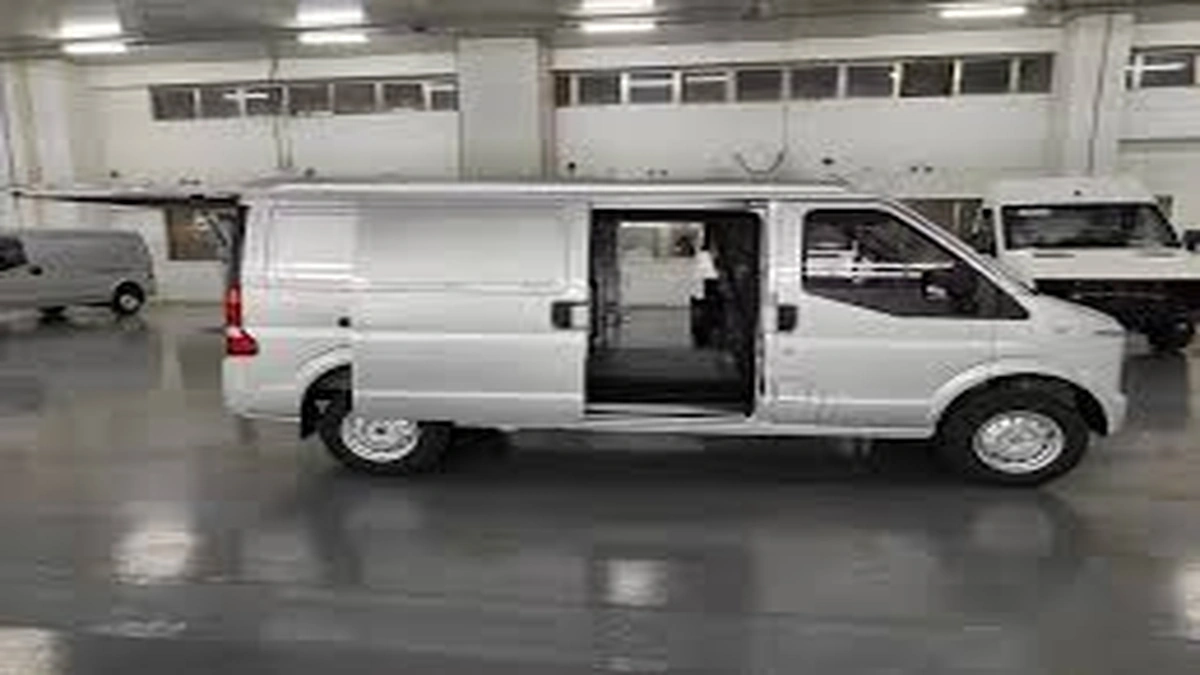
So, why are businesses, from bustling SMEs to multinational logistics giants, making the leap to EV cargo vans in such significant numbers? It’s easy to point to environmental regulations – and yes, those are a huge part of the story. But let’s be honest, businesses follow the money. The real game-changer lies in the total cost of ownership EV vans . When you crunch the numbers, the long-term savings are compelling. Think about it: lower fuel costs (electricity is generally cheaper and less volatile than diesel), reduced maintenance (fewer moving parts, no oil changes, less wear on brakes due to regenerative braking), and often, attractive government incentives. This isn’t just about feeling good; it’s about smart business. For many, the initial higher purchase price is quickly offset, especially when you factor in congestion charge exemptions and preferential access to low-emission zones in cities.
Navigating the Urban Maze | How European EV Policy is Driving Change
What truly fascinates me is how interconnected the push for commercial electric vehicles is with evolving European EV policy . Cities like London, Paris, and Amsterdam are at the forefront, implementing stringent emissions regulations and creating ultra-low emission zones. This isn’t just about reducing smog; it’s about reclaiming urban spaces, making them quieter and healthier. For delivery fleets, this means a diesel van simply won’t cut it anymore in many central areas. The choice becomes clear: adapt or be left behind. This policy framework, often supported by significant public investment in charging infrastructure Europe , creates a powerful incentive structure. It’s not just a stick; there are carrots too, in the form of grants, tax breaks, and even priority parking for electric vehicles. It’s a comprehensive approach to urban logistics electrification .
The Road Ahead | Challenges and Opportunities for Fleet Electrification
Of course, it’s not all smooth sailing. Any major transition comes with its bumps. One common mistake I see fleet managers make is underestimating the complexity of charging infrastructure . It’s not just about plugging in; it’s about managing charging schedules, optimizing routes to account for range, and ensuring sufficient power supply at depots. Then there’s the initial investment hurdle, which, despite long-term savings, can be substantial for smaller businesses. But here’s the exciting part: these challenges are rapidly being addressed. Battery technology is improving, ranges are extending, and the ecosystem of support services – from specialized charging solutions to telematics for fleet management – is maturing at an incredible pace. This is where the true innovation lies, and it’s making fleet electrification not just feasible, but increasingly advantageous.
More Than Just Vans | The Wider Impact on Society
Let’s zoom out a bit. The widespread adoption of electric cargo vans Europe isn’t just changing how packages get delivered; it’s quietly transforming our cities. Imagine quieter streets, cleaner air, and a reduced carbon footprint. This has profound implications for public health and quality of life. It’s a tangible step towards meeting ambitious climate targets set by the EU, and it positions Europe as a leader in sustainable logistics. This shift also creates new job markets in manufacturing, maintenance, and infrastructure development for EVs. It’s a virtuous cycle, demonstrating how environmental responsibility can also be an engine for economic growth and innovation. It reminds me of how even smaller changes, like opting for alow maintenance hatchback in Europe, can collectively lead to bigger impacts.
The Indian Connection | What Europe’s EV Journey Means for Us
Now, you might be thinking, ‘This is all great for Europe, but what about India?’ And that’s a fair question. While our specific challenges and market dynamics differ, Europe’s experience with electric cargo vans Europe offers invaluable lessons. We can learn from their policy successes, their infrastructure development strategies, and even their mistakes. As India pushes for its own EV revolution, particularly in the commercial and last-mile delivery segments, understanding the ‘why’ behind Europe’s rapid adoption can help us accelerate our own journey. The principles of total cost of ownership , the need for robust charging infrastructure , and the role of supportive government policies are universal. It’s a blueprint, not a copy-paste, but a powerful one nonetheless. And just as we look for safety in our personal vehicles, like thesafest hatchback in India, businesses increasingly seek reliability and sustainability in their commercial fleets.
FAQs | Your Burning Questions About Electric Cargo Vans in Europe
What are the main benefits of electric cargo vans for European businesses?
The primary benefits include significantly lower operating costs due to cheaper electricity and reduced maintenance, exemptions from urban emission zone charges, and government incentives. They also contribute to a greener brand image and quieter urban environments.
Is the charging infrastructure in Europe ready for widespread EV cargo van adoption?
While still developing, Europe’s charging infrastructure is rapidly expanding, especially in urban areas and along key logistics routes. Governments and private companies are investing heavily, but careful planning for depot charging and on-route charging remains crucial for fleets.
How do electric cargo vans perform in terms of range and payload?
Modern EV cargo vans offer impressive ranges, often exceeding 200-300 km on a single charge, which is more than sufficient for most last-mile delivery routes. Payload capacity is also comparable to their diesel counterparts, with manufacturers continuously improving battery integration to minimize impact on cargo space.
Are electric cargo vans more expensive to buy than diesel vans?
Initially, the purchase price of an electric cargo van can be higher than a comparable diesel model. However, this higher upfront cost is frequently offset by government subsidies, lower running costs (fuel and maintenance), and reduced taxes, leading to a lower total cost of ownership over the vehicle’s lifespan.
What role do government policies play in the growth of electric cargo vans in Europe?
European EV policy is a critical driver. Policies include emissions regulations (e.g., Ultra-Low Emission Zones), financial incentives (subsidies, tax breaks), and investments in charging infrastructure . These policies create a strong push and pull for businesses to adopt commercial electric vehicles .
For more insights into the broader European automotive market and policy, you can visit the officialEuropean Automobile Manufacturers’ Association (ACEA)website.
Conclusion
The shift to electric cargo vans Europe isn’t just an environmental footnote; it’s a fundamental re-engineering of how goods move through our societies. It’s driven by a powerful confluence of economic imperatives, visionary policy, and technological advancement. This isn’t just about replacing one engine with another; it’s about building a smarter, cleaner, and more efficient future for urban logistics. And if you ask me, that’s something worth paying attention to, because the ripple effects will be felt far beyond the continent’s borders. It’s a blueprint for a better tomorrow, unfolding right before our eyes.