
 By Car gamerewardz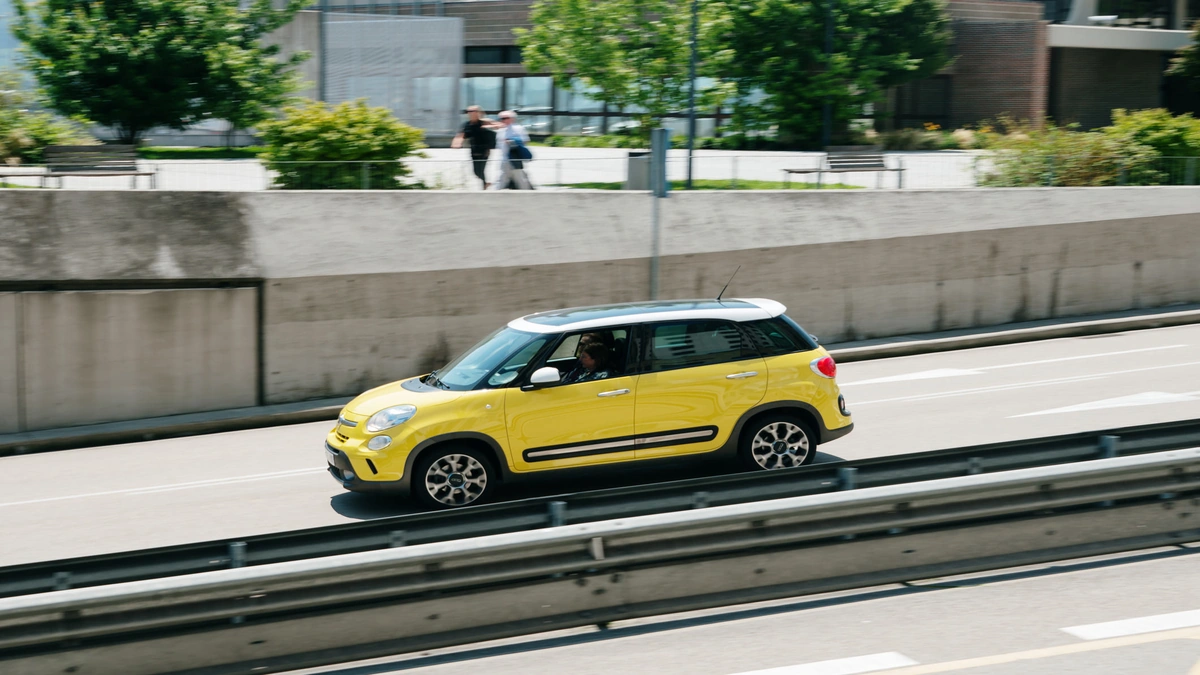
Let’s be honest, navigating the charming, yet often incredibly tight, streets of a European city is an art form. It’s not just about getting from A to B; it’s about gracefully squeezing through ancient alleyways, nabbing that elusive parking spot, and doing it all without feeling like you’re driving a tank. This isn’t just about choosing a car; it’s about choosing a lifestyle enabler, a true partner for urban mobility . And when it comes to that specific challenge, the humble small hatchback reigns supreme. But why? What makes one small hatchback truly the best small hatchback for city driving Europe has to offer, while others just… exist?
I’ve spent countless hours, both behind the wheel and poring over specs, trying to decode this very question. It’s not simply about size, though that’s a huge factor. It’s about a symphony of design choices, engineering brilliance, and understanding the unique demands placed on vehicles in places like Rome, Paris, or Berlin. We’re talking about more than just a car; we’re talking about a tool designed for a very specific, often challenging, environment. Let’s dive deep into the ‘why’ behind the champions of European city streets.
The Unseen Obstacles | Why European City Driving Demands More
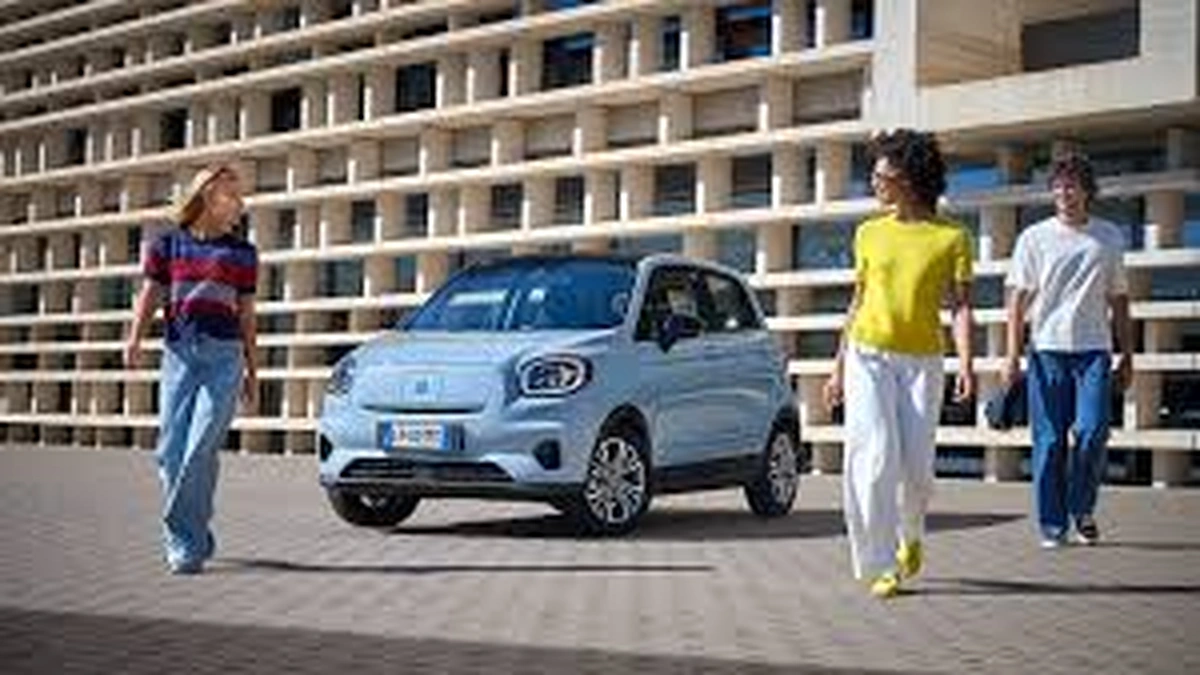
Think about it. European cities, with their rich history, weren’t built for modern automobiles. They were designed for horse-drawn carriages and pedestrians. This historical context creates a unique set of challenges that drivers in other parts of the world rarely encounter. We’re talking about incredibly narrow streets, often barely wider than a single car, medieval cobblestones that can rattle your teeth out, and parking spaces that seem to shrink the moment you approach them. Then there are the ever-tightening emissions zones, making fuel efficiency Europe -wide a non-negotiable.
This isn’t just an inconvenience; it’s a fundamental design brief for car manufacturers. A car has to be nimble, robust, and environmentally conscious. What fascinates me is how different manufacturers tackle these specific pain points. It’s why a great `compact city car` isn’t just a shrunken version of a larger vehicle; it’s an entirely different beast, engineered from the ground up to thrive in this environment. You need a car that can make a U-turn in what feels like its own length, a car whose turning radius is more akin to a bicycle, and one that sips fuel rather than guzzles it.
Beyond Size | What Makes a Hatchback Truly ‘Best’ for European Cities?
Okay, so we’ve established that small is good. But ‘small’ isn’t enough. The true champions in the realm of best small hatchback for city driving Europe offer a suite of features that transform urban navigation from a chore into a surprisingly enjoyable experience. Let me rephrase that for clarity: it’s not just about fitting; it’s about flourishing.
One of the most critical, yet often overlooked, aspects is visibility and ease of parking. This is where features like `parking sensors/cameras` become invaluable. A common mistake I see people make is underestimating the value of a good rearview camera or even a simple set of well-calibrated parking sensors. They don’t just prevent bumps; they reduce stress, making parallel parking on a busy street a less daunting task. Coupled with fantastic `maneuverability in tight spaces`, these cars practically guide themselves into spots that larger vehicles could only dream of.
Then there’s the powertrain. While manual transmissions are still popular in Europe, the rise of `small automatic cars Europe` has seen, especially for city dwellers, cannot be overstated. An automatic gearbox, particularly a smooth dual-clutch or a well-tuned CVT, makes stop-and-go traffic far less exhausting. And let’s not forget the importance of suspension. A good city car needs to absorb those cobblestones and potholes without jarring the occupants, balancing comfort with the necessary `nimble handling` required to dodge pedestrians and scooters. The best models achieve this with surprising grace.
Top Contenders | Hatchbacks That Conquer European City Streets
So, who’s doing it right? While personal preference always plays a role, certain models consistently rise to the top as contenders for the best small hatchback for city driving Europe . The Volkswagen Polo, for instance, has long been a benchmark for its refined driving experience and robust build quality. It’s practical, efficient, and surprisingly spacious for its class. Then you have the Renault Clio, a stylish option that often brings a touch of French flair to the everyday commute, offering a comfortable ride and intuitive tech.
The Fiat 500, with its iconic retro styling, is a masterclass in `easy parking` and undeniable charm, though it might be a bit more niche in its appeal. For those prioritizing bulletproof reliability and impressive hybrid `fuel efficiency`, the Toyota Yaris is an absolute standout. It’s a pragmatic choice that consistently delivers on its promises. And don’t forget the Peugeot 208, which has really upped its game in recent years with a striking design and a comfortable, modern interior.
These models, and others like the Ford Fiesta or Skoda Fabia, aren’t just small; they’re intelligently designed. They offer a compelling blend of compact dimensions, clever interior packaging, and the driving dynamics needed to navigate `European city streets` with confidence. If you’re pondering future options, it’s worth checking out what’s on the horizon forupcoming hatchback cars Europemight see, as the segment continues to evolve.
The Electric Shift | Future-Proofing Your Urban Runabout
The landscape of urban motoring in Europe is undergoing a significant transformation, with electric vehicles (EVs) rapidly gaining traction, especially in the compact segment. Many European cities are implementing stricter emission regulations, with some even planning to ban internal combustion engines entirely in their centers over the next decade. This makes considering an electric small hatchback not just an eco-conscious choice, but a practical, future-proof one.
Models like the electric versions of the Peugeot 208 (e-208), the Renault Zoe, or even the upcoming electric Fiat 500 are perfect examples of how manufacturers are adapting. They offer silent operation, instant torque (fantastic for zipping through traffic), and zero tailpipe emissions, which means unrestricted access to most city centers. While the initial purchase price can be higher, government incentives and significantly lower running costs (especially with cheap overnight charging) make them increasingly competitive as `affordable hatchbacks` in the long run. They truly embody the next generation of `economical city cars`.
For more detailed insights into the broader shift towards electric vehicles in Europe, you might find thisoverview of the European EV marketon Wikipedia quite enlightening. It paints a clear picture of why this transition is so crucial for `urban mobility` across the continent.
FAQ | Your Burning Questions About Urban Hatchbacks Answered
What’s the most important feature for a small hatchback in Europe?
While opinions vary, `maneuverability in tight spaces` and `fuel efficiency Europe` are arguably the two most critical features. The ability to easily navigate narrow streets and find parking, coupled with low running costs, makes a significant difference in daily city driving.
Are `small automatic cars Europe` commonly available?
Absolutely! While manual transmissions have historically been dominant, automatic options are increasingly popular and widely available across most small hatchback models, especially in higher trim levels. They offer a much more relaxed driving experience in stop-and-go city traffic.
How important are safety ratings for these `compact city cars`?
Extremely important. Reputable models will have excellent Euro NCAP safety ratings, ensuring that despite their small size, they offer robust protection for occupants. Always check the safety ratings before making a purchase.
What about reliability? Which `reliable small cars` should I consider?
Brands like Toyota (especially the Yaris), Honda, and some Volkswagen Group models (Polo, Fabia) consistently score high on reliability surveys. Regular maintenance is key, but choosing a brand with a strong track record for dependability will serve you well on `European city streets`.
Is an electric small hatchback worth the investment for city driving?
For city driving, an electric small hatchback can be an excellent investment. Lower running costs, silent operation, and unrestricted access to urban low-emission zones make them highly practical. The range is typically more than sufficient for daily commutes, and charging infrastructure is rapidly improving across Europe.
Where can I find `European city car reviews` to help my decision?
Reputable automotive magazines (both print and online) like Auto Express, What Car?, and Top Gear (UK and European editions) frequently publish in-depth reviews and comparison tests for `top urban runabouts`. Manufacturer websites and independent review sites are also good resources.
Your Smart Move on European Tarmac
Choosing the `best small hatchback for city driving Europe` isn’t just a purchase; it’s an investment in your sanity and freedom on the continent’s bustling roads. It’s about understanding the nuances of urban life and selecting a vehicle that’s not just a mode of transport, but a truly intelligent companion. From the crucial `easy parking` capabilities to the ever-important `fuel efficiency`, every aspect matters.
So, whether you’re eyeing the nimble agility of a Clio, the understated competence of a Polo, or the future-forward charm of an electric city car, remember that the ‘best’ car is the one that perfectly aligns with your specific needs and the unique demands of your European city. Stay informed, take those test drives, and prepare to conquer the urban jungle with confidence. And if you’re curious about what innovations are coming next, keeping an eye onupcoming hatchback cars Europemight introduce could give you an edge.