
 By Car gamerewardz
Alright, let’s talk vans. If you’re running a business in the UK, whether you’re a self-employed plumber, a bustling delivery service, or a tradesperson needing reliable transport, one question probably keeps you up at night: how can I cut down on fuel costs? It’s a valid concern, especially with fluctuating fuel prices and the sheer volume of miles many commercial vehicles rack up. That’s where a deep dive into diesel van mileage comparison UK becomes not just smart, but absolutely essential. Forget just looking at the sticker price; the real savings (or hidden costs) are in the miles per gallon (MPG).
I get it. Choosing the right van feels like a massive decision. You need space, reliability, and crucially, an engine that sips fuel, not guzzles it. But here’s the thing: deciphering those official MPG figures can be like trying to read ancient hieroglyphs. They often don’t reflect your daily grind, do they? So, let’s cut through the noise and figure out how to genuinely compare fuel efficiency diesel vans and make a choice that puts more money back into your pocket.
Beyond the Brochure | Why Official MPG Figures Don’t Tell the Full Story
You’ve seen them: those shiny brochures promising incredible MPG figures. “Up to 50 MPG!” they shout. And while those numbers are technically accurate under specific, controlled test conditions (the WLTP cycle, for example), they rarely translate directly to the M25 at rush hour or a muddy building site. Let’s be honest, your van isn’t being driven by a robot on a perfectly smooth track with no cargo and gentle acceleration. You’re probably loaded up, hitting motorways, stop-start city traffic, and maybe even a few steep hills. This is where the gap between official figures and real-world van running costs UK truly emerges.
What factors influence this discrepancy? Well, everything from your driving style (are you a lead foot or a gentle accelerator?), the weight of your typical payload, the type of roads you mostly drive on, and even the weather can drastically impact your actual van fuel consumption tips . A heavy load, frequent short journeys, and aggressive driving will slash your MPG faster than you can say “diesel surcharge.” So, while official figures provide a baseline, they should always be taken with a pinch of salt and then cross-referenced with owner reviews and independent tests.
Your Business, Your Miles | Understanding Real-World Fuel Efficiency
This is where the rubber meets the road, quite literally. To truly understand which diesel van offers the best economy for your business, you need to consider your specific use case. Are you doing predominantly long distance van economy runs on motorways, or are you navigating tight city streets with frequent deliveries? The answer profoundly affects what kind of van will serve you best.
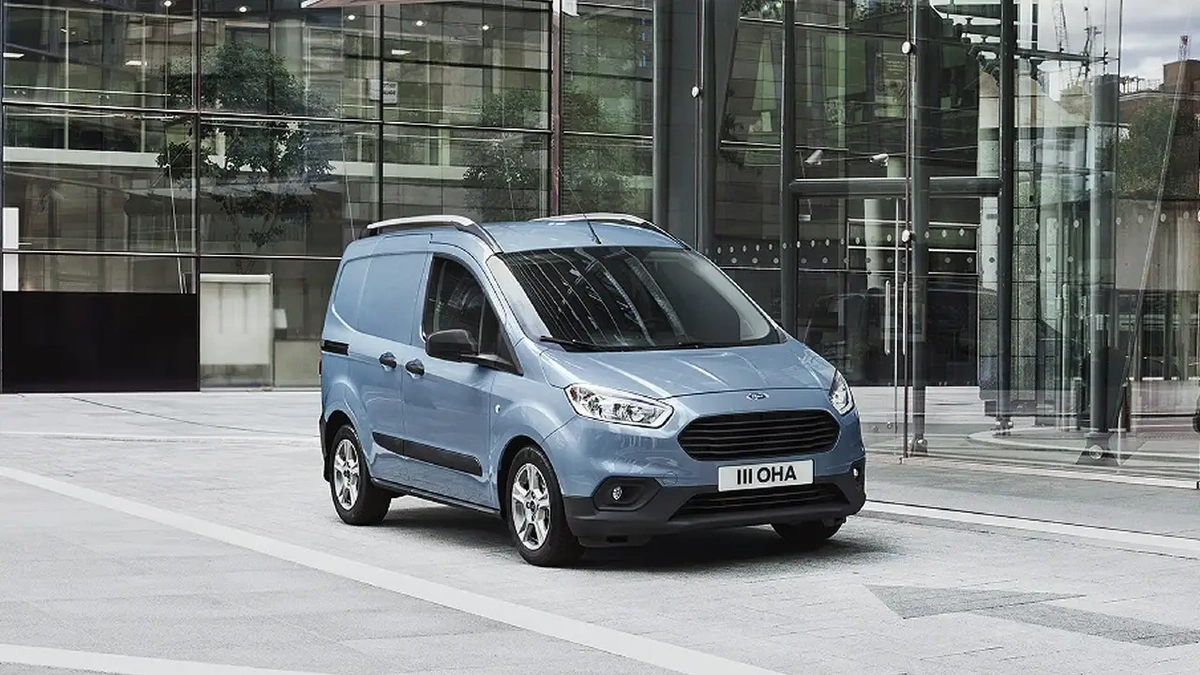
For example, a smaller, lighter van like a Ford Transit Connect or a Citroën Berlingo might excel in urban environments, offering nimble handling and excellent small diesel van fuel consumption . They’re perfect for courier services or tradespeople who don’t need to carry massive amounts of equipment. On the other hand, if you’re hauling heavy materials or making cross-country trips, a larger van such as a Ford Transit Custom or a Vauxhall Vivaro (or even a bigger Sprinter or Crafter) will be more suitable, despite potentially lower overall MPG. The key is the efficiency relative to its capacity and your needs . What fascinates me is how often businesses overlook this critical alignment, focusing solely on the raw MPG number rather than the overall operational efficiency.
When looking at larger vehicles, such as those that might be used as a7-seater vanfor passenger transport or a very large cargo hauler, the comparison metrics shift. While passenger comfort and cargo volume become paramount, fuel economy is still a significant factor, especially for commercial operations. Similarly, if you’re looking for something much smaller, perhaps even consideringlow-budget hatchback carsfor lighter duties, the fuel efficiency landscape changes dramatically, though those wouldn’t be classified as vans.
Top Contenders | Which Diesel Vans Lead the Pack for MPG?
Alright, let’s get down to some specifics. While models and engines evolve, certain names consistently pop up when discussing the best mpg commercial vehicles in the UK. Remember, these are general observations, and specific engine variants and trim levels will always make a difference.
- Ford Transit Custom: A perennial favourite, the Transit Custom offers a fantastic balance of practicality, driveability, and decent fuel economy, especially with its EcoBlue diesel engines. It’s often cited for its strong performance in diesel van mileage comparison UK tests, making it a top choice for many businesses.
- Vauxhall Vivaro / Peugeot Expert / Citroën Dispatch (and Toyota Proace): These vans are essentially siblings, sharing platforms and engines. They are known for being comfortable, easy to drive, and providing competitive fuel figures. Their 1.5-litre and 2.0-litre Euro 6 diesel vans engines are particularly efficient.
- Volkswagen Transporter: A premium option, the Transporter often delivers excellent build quality and strong residual values. While perhaps not always topping the absolute MPG charts against lighter competitors, its efficiency for its size and capability is impressive, particularly for long distance van economy.
- Mercedes-Benz Sprinter: For those needing serious carrying capacity, the Sprinter is a workhorse. Despite its size, modern Sprinter engines are surprisingly efficient for a large van mileage test, showcasing Mercedes’ engineering prowess.
- Renault Trafic / Nissan Primastar / Fiat Talento (older models): Similar to the Stellantis group vans, these often share platforms and offer solid, dependable, and reasonably economical options for mid-sized commercial use.
When you’re looking at used diesel vans UK , it’s crucial to check the engine variant and its compliance with emissions standards. Newer Euro 6 diesel vans are generally more fuel-efficient and cleaner, which can also impact your eligibility for certain city driving zones (like ULEZ in London).
Maximising Your Van’s Economy | Practical Tips & Tricks
Even the most fuel-efficient van can be a money pit if not driven or maintained correctly. Here are some actionable steps to ensure you’re getting the absolute best out of your chosen vehicle, helping you achieve truly cost-effective vans operation:
- Smooth Driving: This is probably the biggest one. Avoid harsh acceleration and braking. Anticipate traffic and maintain a steady speed. Every time you accelerate hard, you’re burning extra fuel.
- Reduce Weight: Only carry what you need. Extra tools, old stock, or unnecessary equipment all add weight, and more weight means more fuel consumption. Regularly declutter your van.
- Check Tyre Pressure: Under-inflated tyres increase rolling resistance, which means your engine has to work harder. Check your tyre pressures weekly – it’s a simple, free way to improve van fuel consumption tips and safety.
- Regular Servicing: A well-maintained engine runs more efficiently. Keep up with your service schedule, ensure air filters are clean, and fluids are topped up. This also contributes to overall commercial vehicle reliability.
- Aerodynamics: Roof racks and external accessories create drag. If you don’t need them, take them off. Even driving with windows open at high speeds can increase drag.
- Plan Your Routes: Use navigation apps to avoid traffic jams and find the most efficient routes. Less time idling in traffic means less wasted fuel.
- Engine Stop-Start: If your van has it, use it! It automatically shuts off the engine when stationary, saving fuel in urban stop-start conditions.
These seemingly small habits can add up to significant savings over a year. Think of it as a game: how much can you squeeze out of every litre?
The Future is Now | When (and If) to Consider Electric Alternatives
We can’t talk about van mileage without at least touching on the elephant in the room: electric vans. While the initial upfront cost of an electric van (EV) can be higher, the running costs are significantly lower, especially if you can charge overnight at cheaper rates. For businesses operating mainly within urban areas with predictable routes, an electric van could be a game-changer for long-term van running costs UK .
Brands like theDepartment for Transportare actively promoting the adoption of EVs, and incentives are often available. However, range anxiety, charging infrastructure, and payload limitations are still valid concerns for many, particularly those requiring large van mileage test capabilities over vast distances. It’s a complex decision, and while electric van alternatives are rapidly improving, diesel still holds its own for certain applications, especially where maximum range and rapid refuelling are paramount.
Frequently Asked Questions About Diesel Van Mileage
What is a good MPG for a diesel van in the UK?
Generally, anything above 35-40 MPG is considered good for a mid-sized diesel van in real-world driving. Smaller vans might achieve 45-55 MPG, while larger vans could be in the 25-35 MPG range. It heavily depends on the van’s size, engine, and typical usage.
Do Euro 6 diesel vans offer better mileage?
Yes, typically. Euro 6 engines are designed to be cleaner and often more efficient than their predecessors due to advancements in engine technology, fuel injection systems, and exhaust after-treatment. This usually translates to better fuel efficiency diesel vans performance.
How does payload affect diesel van mileage?
Payload has a significant impact. Every extra kilogram requires more energy to move. A van carrying its maximum payload will see a noticeable drop in MPG compared to an empty van. This is a crucial factor in your diesel van mileage comparison UK calculations.
Is it worth buying a used diesel van for mileage?
Absolutely, but with caveats. Used diesel vans UK can offer excellent value, but ensure you check the service history, engine condition, and its Euro emissions standard. Older, less efficient engines might be cheaper to buy but cost more in fuel and potentially in urban emissions charges.
Are automatic diesel vans less fuel-efficient than manuals?
Historically, automatics were often less efficient. However, modern automatic transmissions (especially multi-speed or dual-clutch units) are now often as efficient, if not more so, than their manual counterparts. They can even improve long distance van economy by keeping the engine in its optimal rev range.
So, there you have it. Navigating the world of diesel van mileage comparison UK doesn’t have to be a headache. By understanding the nuances beyond the brochure, aligning your choice with your real-world business needs, and adopting smart driving habits, you can absolutely drive smarter, keep those operational costs down, and focus on what truly matters: growing your business. It’s not just about picking a van; it’s about making an informed investment in your future. Happy driving!