
 By Car gamerewardz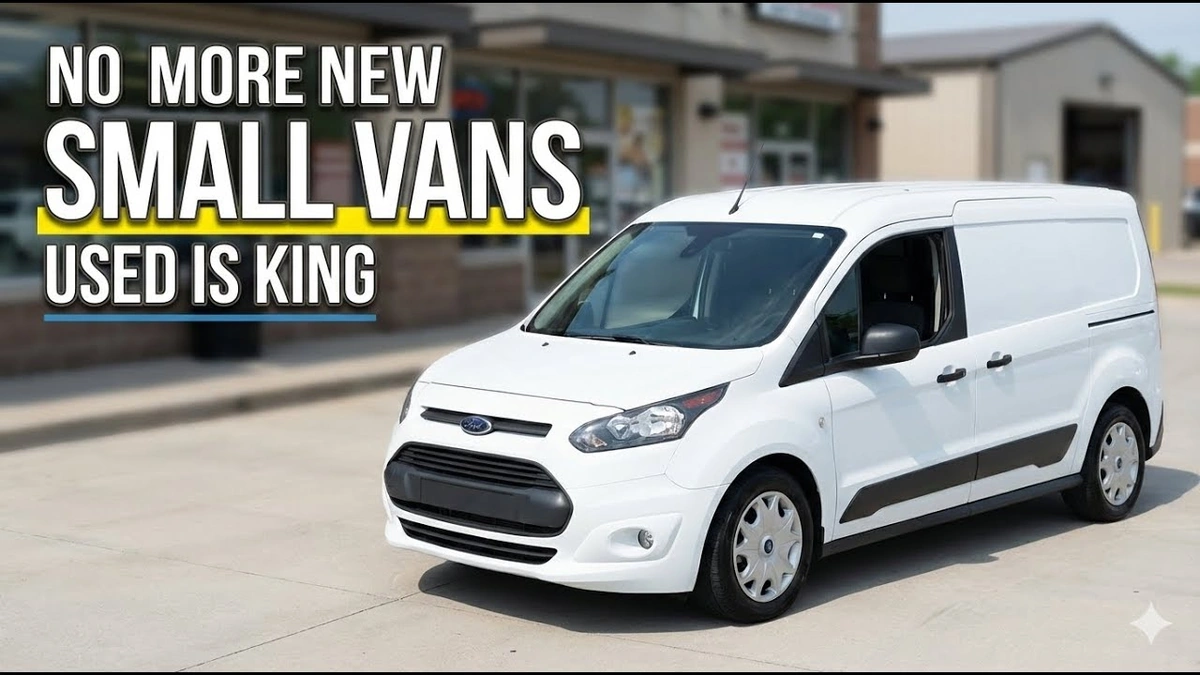
Alright, let’s grab a coffee and talk shop, because if you’re a small business owner in the USA, the thought of a cargo van has likely crossed your mind more than once. It’s not just a vehicle; it’s a rolling statement of intent, a mobile office, a delivery hub, and frankly, often the unsung hero of your daily grind. But here’s the thing many folks miss: simply getting a van isn’t enough. The real win comes from choosing the right one, understanding its implications, and integrating it seamlessly into your operations. It’s less about buying metal and more about investing in your business’s future logistics.
I’ve seen countless small businesses thrive, and often, a smart approach to their commercial vehicles is a key differentiator. Conversely, I’ve also watched entrepreneurs make costly mistakes by rushing into a purchase without considering the long game. This isn’t just about finding the cheapest option; it’s about strategic decision-making that impacts your bottom line, efficiency, and even your brand image. So, let’s peel back the layers and figure out how to make that cargo van for small business USA a truly smart move for you.
Picking Your Workhorse | More Than Just Four Wheels and a Box
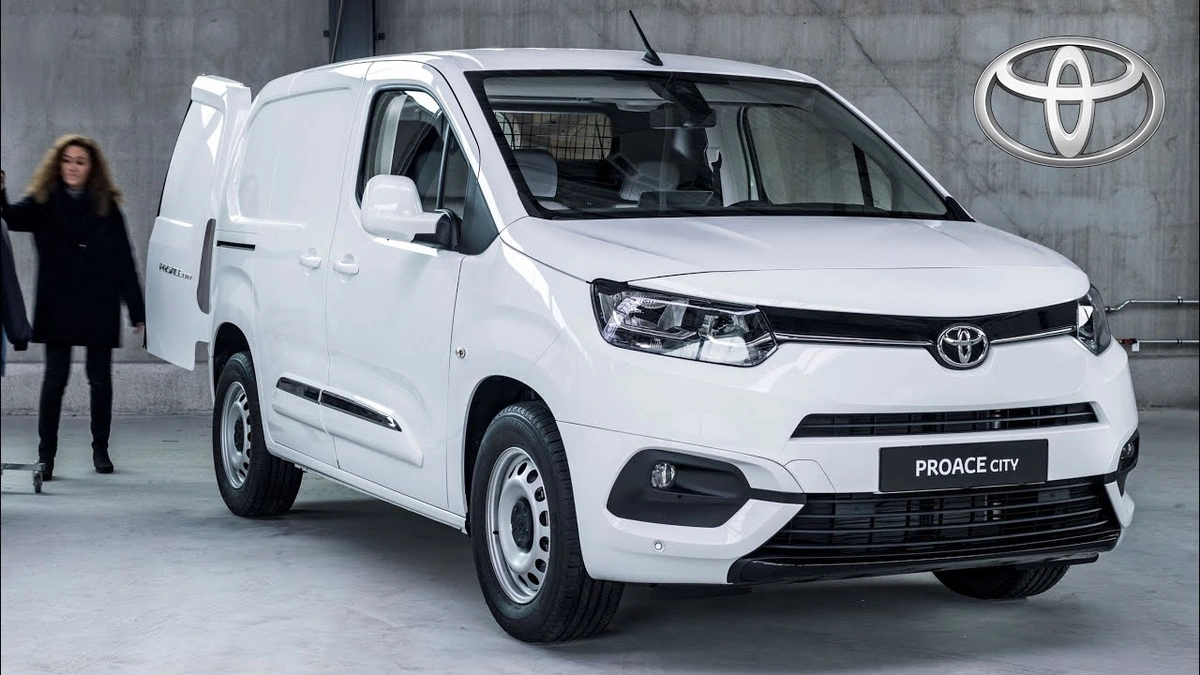
When it comes to selecting the perfect cargo van for small business USA , the sheer variety can be overwhelming. You’ve got your full-size giants like the Ford Transit, Mercedes-Benz Sprinter, and Ram ProMaster, then the smaller, nimbler options such as the Ford Transit Connect or Ram ProMaster City. But how do you really choose? It starts with a brutal self-assessment of your business needs, not just today, but for the next 3-5 years.
Think about your typical load. Is it heavy tools for a plumbing business, delicate floral arrangements, or multiple packages for adelivery service? This dictates your required payload capacity . Don’t just eyeball it; grab your heaviest typical load and weigh it. Then, add the weight of any shelving, racks, or equipment you plan to install. Overloading a van isn’t just illegal; it’s dangerous and will prematurely wear out your vehicle, leading to costly repairs down the line. What about interior dimensions? Can your longest ladders or bulkiest boxes fit without a struggle? Consider door types – sliding side doors are a lifesaver in tight urban spaces, while full-height rear doors are crucial for forklift loading.
And let’s not forget about fuel efficiency. With fluctuating gas prices, even a small improvement in miles per gallon can translate into significant savings over thousands of miles. Diesel options, while often having a higher upfront cost, can offer superior fuel economy and towing capabilities for heavy-duty applications. It’s a trade-off, certainly, but one worth meticulously calculating. The goal here is to match the van to the job, not just pick the most popular model.
The Real Cost | Beyond the Sticker Price
Now, let’s talk about the elephant in the showroom: the money. The cost of a cargo van extends far beyond its purchase price. You’re looking at a holistic investment that includes acquisition, maintenance, insurance, fuel, and even eventual depreciation. For small business owners , understanding these components is crucial for accurate budgeting and preventing nasty surprises.
First, acquisition. Are you buying new, used, or leasing? Each has its pros and cons. New vans offer warranties, the latest features, and often attractive financing rates, but come with immediate depreciation. Used vans can be a fantastic value, but require thorough inspection and might incur higher maintenance costs sooner. Leasing, meanwhile, keeps monthly payments lower and allows for easier upgrades every few years, but you don’t build equity. Many small businesses findvan financingthrough commercial lenders or even manufacturer programs to be the most viable path, allowing them to conserve working capital. Remember to factor in potential tax deductions for commercial vehicle purchases – always consult with an accountant on this, as it can significantly reduce your effective cost.
Then there’s insurance. A commercial vehicle policy will differ from personal auto insurance, often being more comprehensive but also more expensive. Factors like your driving record, the type of cargo you carry, and even your business’s industry can influence premiums. Don’t skimp here; proper coverage protects your investment and, more importantly, your business from unforeseen liabilities. Finally, consider maintenance. Some brands are known for reliability, others for higher parts costs. Regular preventative maintenance is your best friend here, extending the life of your van and preventing major breakdowns that could halt your operations.
Maximizing Your Mobile Office | Upfitting, Branding, and Efficiency
Once you’ve got your van, the real fun begins: making it yours and optimizing it for your specific business. This is where upfitting options come into play, transforming a basic shell into a highly functional workspace. Think about what will genuinely make your daily tasks easier and safer. Shelving units, ladder racks, toolboxes, and even climate control systems (for things like food delivery or delicate equipment) are not luxuries; they’re investments in efficiency. I’ve seen businesses literally cut hours off their workday by having a meticulously organized van where everything has its place. It’s about reducing clutter, preventing damage to goods, and projecting a professional image.
Beyond internal organization, your van is a massive mobile billboard. Professional vehicle wraps and decals are an incredibly cost-effective way to advertise your business everywhere you go. A clean, branded van doesn’t just look good; it builds trust and recognition. It’s a subtle but powerful form of marketing that works 24/7. And while we’re talking about efficiency, consider integrating GPS tracking andfleet managementsoftware. This isn’t just for big corporations. For a small business, it allows you to optimize routes, monitor driver behavior, track fuel consumption, and provide accurate delivery times to customers. This level of operational insight can literally save you thousands annually in fuel and labor costs, transforming a simple delivery van into a data-driven asset.
Future-Proofing Your Fleet | Technology, Resale, and Growth
As you plan for your cargo van for small business USA , don’t just think about today’s needs, but also tomorrow’s possibilities. Technology in commercial vehicles is rapidly advancing. Features like advanced driver-assistance systems (ADAS), infotainment systems with navigation, and telematics are becoming standard. These aren’t just gadgets; they enhance safety, reduce driver fatigue, and can even lower insurance costs. Consider what tech features will genuinely benefit your operations and contribute to driver well-being.
Also, think about resale value. Brands with a strong reputation for reliability and readily available parts tend to hold their value better. Maintaining detailed service records will also significantly boost your van’s appeal when it’s time to upgrade. As your business grows, you might find yourself needing a second van, or a larger model, or even a specialized vehicle. Having a clear strategy for acquiring and eventually replacing your vans will prevent rushed decisions and ensure yourcommercial vehiclefleet scales with your business.
Ultimately, a cargo van for a small business isn’t a passive purchase. It’s an active tool, a strategic investment that, when chosen and managed wisely, can be a cornerstone of your success. It requires foresight, careful budgeting, and a commitment to ongoing optimization. So, take your time, do your homework, and make that move to a cargo van not just an acquisition, but a truly intelligent step forward for your business.
Frequently Asked Questions About Cargo Vans for Small Businesses
What’s the typical lifespan of a cargo van for a small business?
With proper maintenance, a commercial cargo van can typically last anywhere from 150,000 to 300,000 miles, or 10-15 years. However, this heavily depends on factors like driving conditions, cargo weight, and adherence to service schedules.
Can I finance a used cargo van?
Yes, many lenders offer van financing for used commercial vehicles. Rates and terms may vary based on the van’s age, mileage, your credit score, and the lender’s policies. It’s always wise to compare offers from multiple institutions.
What’s the difference between a cargo van and a passenger van?
A cargo van is designed primarily for transporting goods, featuring an open cargo area in the rear with no windows or seats. A passenger van is built to transport people, equipped with multiple rows of seating and windows. The internal structure and weight ratings also differ significantly.
Are there tax benefits for buying a cargo van for my business?
Yes, small businesses in the USA can often claim tax deductions for purchasing a commercial vehicle under Section 179 of the IRS tax code, allowing them to deduct the full purchase price in the year the vehicle is placed into service. However, eligibility and limits apply, so consulting with a tax professional is highly recommended.
How can I protect my cargo van from theft?
Beyond standard locks, consider installing additional security measures like alarms, GPS trackers, hidden kill switches, and reinforced door locks. Parking in well-lit, secure areas and removing valuable tools overnight can also significantly reduce the risk of theft.
Should I buy or lease a cargo van for my small business?
The choice between buying and leasing depends on your business’s financial situation and long-term goals. Buying offers ownership and potential tax benefits but requires a larger upfront investment. Leasing typically has lower monthly payments, allows for easier upgrades, and might be preferable if you want to avoid depreciation and maintenance headaches, but you won’t build equity.