
 By Car gamerewardz
Let’s be honest. When you think about running a successful delivery operation in the USA, what’s the first thing that comes to mind? Maybe logistics software, driver efficiency, or even customer satisfaction. But here’s the thing: often overlooked, yet absolutely critical, is the humble workhorse itself – your delivery van. It’s not just a vehicle; it’s a mobile billboard, a rolling warehouse, and a significant chunk of your operational budget. And choosing the best commercial vans for delivery USA isn’t just about picking something that moves; it’s about strategic foresight, understanding the ‘why’ behind every feature, and ultimately, safeguarding your bottom line.
I’ve seen countless businesses, from burgeoning startups to established enterprises, stumble not because of poor service, but because their fleet wasn’t optimized. They picked a van that looked good on paper, or one that was simply available, without truly dissecting its long-term implications. This isn’t just about buying a vehicle; it’s about investing in a foundational pillar of your business. So, let’s dive deep into what truly matters, and why some choices, while seemingly minor, can have monumental ripple effects.
Beyond the Box | Understanding What Really Matters in a Delivery Van
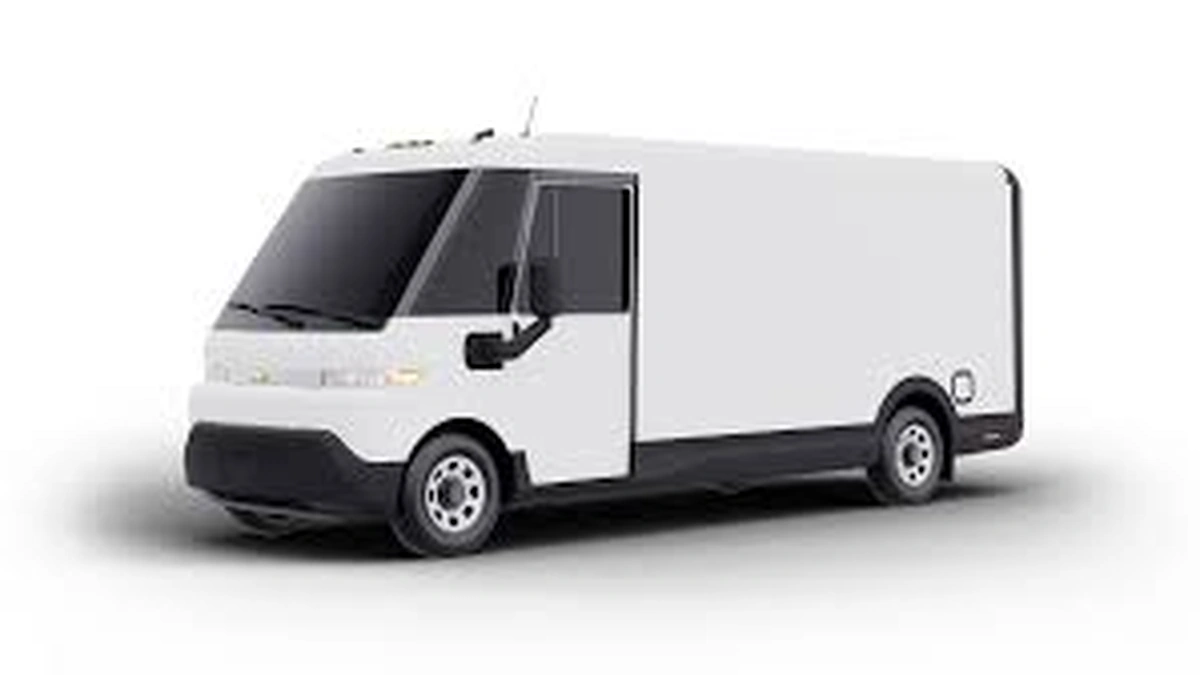
When you’re sifting through delivery vehicle options, it’s easy to get caught up in flashy specs. But as an analyst who’s seen the nuts and bolts of many operations, I can tell you that the real magic is in the details – specifically, the corecargo van features. Think about it: what are you actually delivering? Pallets? Small packages? Temperature-sensitive goods? Your cargo dictates everything.
Payload capacity is often misunderstood. It’s not just about how much weight the van can theoretically carry; it’s about how much it can carry efficiently and safely within legal limits. Overloading a van isn’t just a ticket waiting to happen; it dramatically shortens the vehicle’s lifespan, leading to premature wear and tear on brakes, suspension, and tires. Then there’s cubic capacity – how much space you have. A van with high payload might have an awkward interior layout, making it inefficient for bulky items. You need a harmonious balance. For instance, a high-roof Ford Transit or Mercedes-Benz Sprinter offers incredible versatility for standing room and maximizing vertical storage, which is a game-changer for urban delivery vans and last-mile delivery vehicles where every square inch counts.
Another often-overlooked aspect is the upfitting potential. Can the van be easily customized with shelving, partitions, or refrigeration units? A bare bones van might be cheaper upfront, but if it costs a fortune to make it functional for your specific needs, you’re losing money. The truly durable commercial vans are those that offer a robust platform for customization, allowing them to adapt as your business evolves. This flexibility, I’ve found, is a hallmark of smart fleet management decisions.
The Green Revolution | Are Electric Commercial Vans the Future for USA Deliveries?
The buzz around electric commercial vans isn’t just hype; it’s a seismic shift. And for businesses in the USA, ignoring it could be a costly mistake. Why? Because the ‘why’ here is multifaceted: environmental mandates, public perception, and perhaps most importantly, operational economics. Yes, the upfront cost of an electric van like the Ford E-Transit or Rivian EDV can be higher than its gasoline counterpart. But that’s only half the story.
Let’s talk about fuel efficiency delivery vans. Or rather, the complete absence of fuel costs with EVs. When you factor in the soaring prices of gasoline and the ever-present volatility of the oil market, the predictable, often lower cost of electricity becomes incredibly attractive. Plus, many states and the federal government offer significant incentives and tax credits for purchasingelectric vehicles, further narrowing that initial price gap. I’ve personally seen businesses calculate their total cost of ownership (TCO) over five years, and the savings from fuel and reduced maintenance (fewer moving parts!) often make EVs the more economical choice in the long run.
Range anxiety is a common concern, but for most urban delivery vans and last-mile delivery vehicles, the daily routes are well within the typical 100-150 mile range of current electric models. Charging infrastructure is rapidly expanding, and depot charging solutions make it easy to top up overnight. This isn’t just about being ‘green’; it’s about future-proofing your business against fluctuating fuel prices and tightening emissions regulations. It’s a strategic move that enhances your brand image and provides tangible financial benefits.
From Small Business to Big Fleet | Tailoring Your Van Fleet Solutions
Whether you’re a florist with one van or a large logistics company with hundreds, the approach to selecting the best commercial vans for delivery USA shares a common thread: understanding your specific operational needs. Forsmall business delivery vehicles, versatility is key. You might need a van that can handle a variety of tasks, from package delivery to light hauling. Compact cargo vans like the Ram ProMaster City or the Ford Transit Connect are excellent choices here. They offer better maneuverability in tight city streets and often boast superior fuel economy, which is crucial when every penny counts.
As businesses grow, the complexities of fleet management tips multiply. You’re not just buying a van; you’re developing a holistic strategy. This involves telematics for tracking and route optimization, maintenance schedules, and understanding the resale value of your assets. For larger fleets, standardization can be a huge advantage. Sticking to a few reliable models (like the ubiquitous Ford Transit, Mercedes-Benz Sprinter, or Ram ProMaster) simplifies parts inventory, mechanic training, and driver familiarity. It’s a bit like choosing a reliable workhorse over a flashy, high-maintenanceluxury coupe carfor everyday hauling – practicality usually wins.
The goal is to match the tool to the task. Don’t overspend on a massive cargo van if a smaller, more agile option will suffice for your urban delivery vans. Conversely, don’t try to squeeze too much into a compact model and compromise efficiency or safety. This thoughtful segmentation of your fleet based on route type, cargo volume, and delivery frequency is what truly differentiates a well-run operation. It’s about optimizing every single mile.
The Hidden Costs | Why Reliability and Maintenance Costs are Your True North
We often focus on the sticker price, but the true cost of owning a commercial van extends far beyond that initial purchase. This is where the concept of cost of ownership delivery vans becomes paramount. The biggest culprits? Downtime and unexpected repairs. A van that’s constantly in the shop isn’t just costing you repair money; it’s costing you lost revenue, missed deliveries, and potentially, unhappy customers. This is why reliability commercial vehicles should always be at the top of your priority list.
Some brands have a legendary reputation for durability. Think about the long-standing trust in certain Ford or Mercedes-Benz models within the commercial sector. While initial parts might be pricier, their longevity and less frequent need for major repairs often translate to lower overall maintenance costs commercial vans. When evaluating options, look beyond the warranty. Research common issues, average lifespan, and the availability and cost of replacement parts. A van might be cheap to buy, but if its proprietary parts are expensive and hard to find, you’re setting yourself up for headaches.
Furthermore, consider the ease of service. Can your local mechanics handle the vehicle, or does it require specialized dealerships? For a business relying on its fleet daily, quick and efficient service turnaround is invaluable. A vehicle that’s easy to maintain and has readily available parts drastically reduces downtime, which is arguably the most significant ‘hidden cost’ in any delivery operation. My advice? Prioritize proven track records and a strong support network over unverified promises of affordability.
Frequently Asked Questions About Commercial Delivery Vans
What are the most popular commercial cargo vans for delivery in the USA?
The Ford Transit, Mercedes-Benz Sprinter, Ram ProMaster, and Chevrolet Express are consistently among the most popular choices due to their versatility, cargo capacity, and widespread service networks. Smaller options like the Ford Transit Connect and Ram ProMaster City are also popular for urban and light-duty deliveries.
Are electric delivery vans truly more cost-effective in the long run?
Yes, for many operations, electric delivery vans can be more cost-effective over their lifespan. While the upfront cost is often higher, significant savings come from lower fuel expenses (electricity vs. gasoline), reduced maintenance due to fewer moving parts, and potential government incentives or tax credits.
How important is cargo capacity versus payload capacity?
Both are crucial. Cargo capacity refers to the volume (cubic feet) available for goods, while payload capacity refers to the maximum weight the van can carry. You need to assess your typical cargo type: bulky but light items require high cargo capacity, while dense, heavy goods demand high payload capacity. Often, a balance is needed.
What features should I prioritize for urban delivery vans?
For urban deliveries, prioritize maneuverability, good visibility, compact size (if possible), and fuel efficiency. Features like backup cameras, parking sensors, and a tight turning radius are invaluable for navigating congested city streets and tight parking spaces. High-roof options can also make loading and unloading easier.
Should I buy new or used commercial vans for my business?
The decision depends on your budget and risk tolerance. New vans offer warranties, the latest technology, and greater reliability, but come with a higher price tag. Used vans can save significant capital upfront, but may incur higher maintenance costs and lack modern features. A thorough inspection and vehicle history report are essential for used purchases.
How do I improve the fuel efficiency of my delivery van fleet?
Beyond choosing fuel-efficient models, improving driving habits (avoiding aggressive acceleration/braking), regular vehicle maintenance (tire pressure, oil changes), optimizing routes, and reducing unnecessary idling can significantly boost the fuel efficiency of your entire fleet.
The Road Ahead | Making Informed Choices
Choosing the best commercial vans for delivery USA isn’t a simple transaction; it’s a strategic decision that impacts every facet of your business, from daily operations to long-term profitability. It’s about looking beyond the initial price tag and understanding the deeper implications of payload, efficiency, reliability, and the accelerating shift towards electric. Don’t just buy a van; invest in the right tool for your specific job. Because in the fast-paced world of deliveries, the right vehicle isn’t just an asset – it’s your competitive edge, ensuring your business not only survives but thrives on the open road.