
 By Car gamerewardz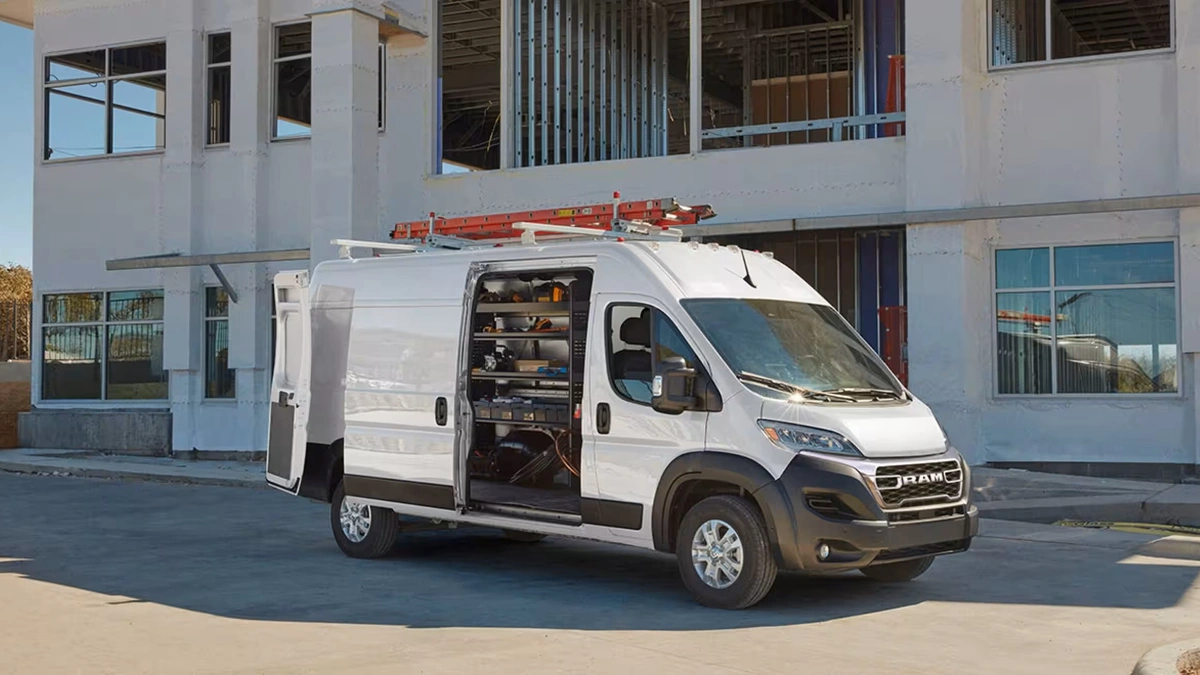
Alright, let’s talk vans. If you’re running a delivery business in the USA, or even just thinking about starting one in 2026, the vehicle you choose isn’t just a set of wheels; it’s the literal backbone of your operation. And let’s be honest, the market for commercial vans is a bit of a maze, right? You’re not just buying a van; you’re investing in efficiency, reliability, and ultimately, your bottom line. What fascinates me is how many businesses overlook the deeper implications of this choice, often focusing solely on the sticker price. But trust me, in 2026, with the way things are shifting, that approach could be a costly mistake.
Here’s the thing: choosing the best cargo van for delivery business USA 2026 isn’t about picking the flashiest model or even the cheapest. It’s about a strategic decision that impacts everything from fuel costs to driver satisfaction, and even how quickly you can scale. I’ve seen businesses thrive and struggle based on these very choices, and I want to guide you through the crucial considerations so you can make an informed, future-proof decision.
Why Your 2026 Cargo Van Choice is More Critical Than Ever

The landscape of logistics and delivery is evolving at breakneck speed. We’re seeing an unprecedented boom in e-commerce, tighter urban delivery regulations, and a growing emphasis on sustainability. This isn’t just news; it’s why your decision today will echo for years. Rising fuel costs, for instance, aren’t just a temporary blip; they’re a persistent challenge that makes fuel efficiency a top-tier concern. And then there’s the undeniable rise of electric cargo vans 2026 , which, while still a newer frontier for many, are quickly becoming a viable, even superior, option for certain operations.
Consider the implications: a van with poor fuel economy can eat into your profits daily, while a reliable one keeps your deliveries on schedule, enhancing customer satisfaction and driver retention. The hidden context here is that the initial purchase price is just one piece of the puzzle. The true cost, or total cost of ownership , is where the real story unfolds. This includes everything from maintenance and insurance to potential downtime. Overlooking these factors is a common mistake I see people make, and it can seriously hamstring a growing business.
Decoding the Specs: What Truly Matters for a Delivery Business
When you’re staring at spec sheets, it’s easy to get lost in the numbers. But for a delivery business, some metrics are simply more important than others. Let me rephrase that for clarity: you need to think about how these numbers translate to real-world operational benefits.
- Payload Capacity vs. Cargo Volume: This is a classic trap. A van might have immense cargo volume, but if its payload capacity (how much weight it can legally carry) is low, it’s useless for heavy deliveries. Conversely, a high payload capacity with inefficient interior space can also be problematic. You need a balance tailored to your typical cargo.
- Fuel Efficiency: As I mentioned, this is huge. Whether you’re looking at gasoline, diesel, or the increasingly popular electric options, the miles per gallon (or kWh per mile) directly impacts your operating budget. For some, the long-term savings of an EV, despite a higher upfront cost, can be a game-changer, especially with potential tax credits and lower maintenance.
- Reliability & Durability: Downtime is profit-killer #1. A van that’s constantly in the shop costs you not only repair fees but also lost delivery revenue. Investing in a vehicle with a proven track record for commercial van reliability is paramount. Think about the wear and tear of daily urban driving – potholes, stop-and-go traffic, constant loading and unloading. Your van needs to be built tough.
- Maneuverability: Are you navigating tight city streets, or cruising open highways? A larger van might offer more capacity but could be a nightmare to park and operate in congested areas. Consider the best SUV under $40,000 for smaller, lighter deliveries if a full cargo van is overkill.
Top Contenders for 2026: A Deep Dive into Commercial Vans
Okay, so let’s get down to some names. While models can change, some brands consistently lead the pack in the best cargo van for delivery business USA 2026 conversation. And yes, the electric revolution is certainly shaking things up.
- Ford Transit: The perennial favorite for a reason. Its versatility, range of configurations (different roof heights, wheelbases), and extensive dealer network make it a reliable workhorse. Ford has also made significant strides in offering robust upfitting options directly from the factory or through certified partners. The E-Transit, their electric version, is quickly gaining traction for urban fleets.
- Ram ProMaster: Often lauded for its front-wheel-drive configuration, which allows for a lower load floor and excellent maneuverability. This can be a huge advantage for drivers constantly loading and unloading. Its boxy design maximizes usable cargo space, making it a strong contender for those prioritizing volume.
- Mercedes-Benz Sprinter: If you’re looking for premium features, robust safety technology, and available all-wheel drive, the Sprinter is hard to beat. It often comes with advanced telematics and connectivity features that are excellent for sophisticated delivery fleet management. However, this premium usually comes with a higher price tag and potentially higher maintenance costs.
- Electric Cargo Vans 2026 (e.g., Ford E-Transit, Rivian EDV): This is where the future is heading. Companies like Amazon are already deploying custom electric delivery vans (like Rivian’s EDV) at scale. For many businesses, the lower operating costs (electricity is generally cheaper than gasoline/diesel, and EVs have fewer moving parts, reducing maintenance) can offset the higher upfront price. Plus, they often come with advanced driver-assistance systems and connectivity that streamline operations. You’ll want to keep an eye on federal motor carrier safety regulations as these vehicles become more common.
When comparing these, always circle back to the total cost of ownership . Don’t just look at the MSRP. Factor in projected fuel/electricity costs, routine maintenance schedules, insurance premiums, and even the expected resale value. A cheaper van upfront might bleed you dry over three to five years.
Beyond the Purchase | Maximizing Your Van’s Potential
So, you’ve picked your dream van. Great! But the journey doesn’t end there. To truly optimize your delivery business USA 2026 , you need to think about how you equip and manage your fleet.
- Upfitting Solutions: This is where your van truly becomes your van. Shelving, racks, partitions, ladder racks, interior lighting – proper upfitting can dramatically improve efficiency, organization, and driver safety. Imagine a driver spending less time searching for a package and more time making deliveries. That’s money saved.
- Telematics and Tracking: Modern commercial vans are often equipped with advanced telematics systems. These aren’t just for tracking; they provide invaluable data on driver behavior, route optimization, fuel consumption, and vehicle diagnostics. This data is gold for efficient delivery fleet management.
- Driver Comfort and Ergonomics: Often overlooked, but crucial. Your drivers spend countless hours in these vans. Comfortable seating, easy access to controls, and good visibility can reduce fatigue, prevent injuries, and improve overall job satisfaction. A happy driver is a productive driver. This is also why understanding the nuances of petrol vs. diesel sedan mileage and their respective maintenance needs is important, even if you’re not buying a sedan, as it highlights the importance of matching vehicle type to operational demands.
Your Questions Answered: FAQ on Choosing a Cargo Van
What’s the most crucial factor when choosing a cargo van for delivery business USA 2026?
Answer: It’s a blend of payload capacity , fuel efficiency , and commercial van reliability tailored to your specific route and cargo. There’s no single ‘most crucial’ factor; it’s about finding the right balance for your unique operational needs.
Are electric cargo vans 2026 a good investment for a small business?
Answer: Absolutely, especially with rising fuel costs and environmental regulations. While the upfront cost might be higher, government incentives and lower running costs can significantly reduce your total cost of ownership over time. Assess your charging infrastructure and typical daily routes to see if an EV fits.
How important are upfitting options?
Answer: Hugely important! Proper upfitting can dramatically improve efficiency, organization, and safety, making your drivers more productive and protecting your cargo. It turns a generic van into a specialized tool for your business.
How can I estimate the total cost of ownership for a new delivery van?
Answer: Beyond the sticker price, factor in fuel (or electricity), insurance, maintenance, tires, depreciation, and potential downtime. Many manufacturers offer online calculators, or you can consult with a commercial vehicle specialist to get a more accurate projection.
Choosing the best cargo van for delivery business USA 2026 is not a decision to take lightly. It’s a strategic investment that will either propel your business forward or hold it back. By digging deeper into the ‘why’ behind the specs, understanding the true total cost of ownership , and considering the emerging trends like electric cargo vans 2026 , you’re not just buying a vehicle; you’re building a foundation for success. Think of this as your operations hub, your mobile storefront, and your most visible asset. Choose wisely, and watch your business deliver!