
 By Car gamerewardz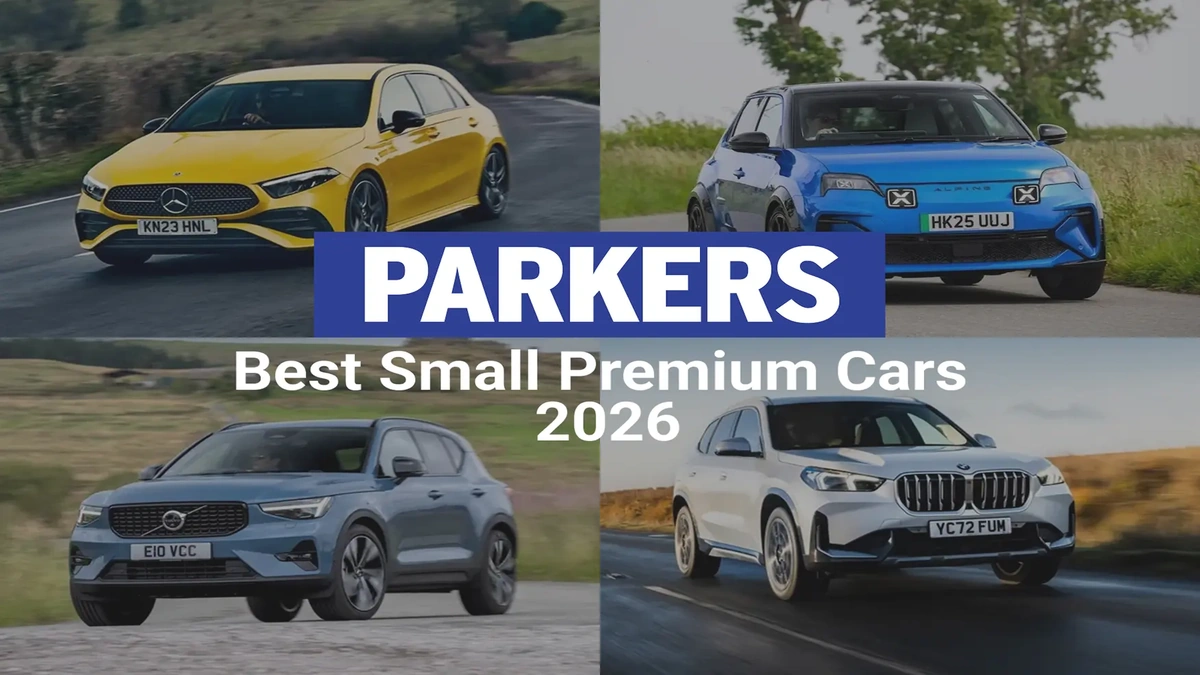
Alright, let’s talk cars. But not just any cars. We’re diving deep into something that might seem a bit counterintuitive to those outside the continent: the enduring, almost magnetic appeal of premium hatchback cars Europe . If you’ve ever wondered why these seemingly ‘smaller’ vehicles command such respect and market share in a region known for its automotive prowess, you’re in for a treat. This isn’t just about fitting into tight parking spots in bustling city centers; oh no, it’s far more profound than that. It’s about a unique blend of practicality, understated prestige, and a very European understanding of what luxury truly means on four wheels.
Here’s the thing: while other parts of the world might equate luxury with sheer size and towering SUVs, Europe has cultivated a different kind of automotive sophistication. It’s a place where efficiency, design integrity, and a genuinely engaging driving experience often trump outright bulk. And that, my friends, is where the premium hatchback steps in, not as a compromise, but as a statement. It’s a fascinating microcosm of the broader European car market , revealing deeper consumer values and engineering philosophies.
More Than Just Compact | The European Love Affair with Practical Luxury
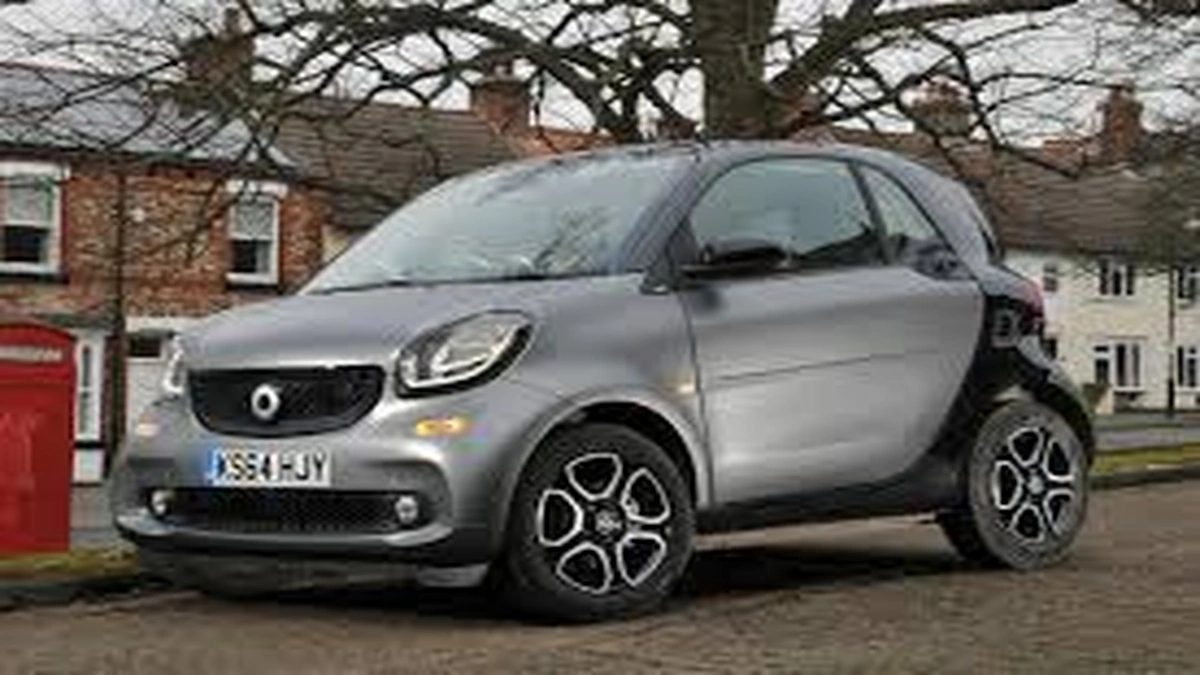
To truly grasp why premium hatchback cars Europe are such a big deal, we need a quick look at the continent’s history and geography. Europe is densely populated, with ancient cities featuring narrow streets, limited parking, and a strong emphasis on environmental consciousness. This backdrop naturally favors smaller, more agile vehicles. But here’s the twist: ‘smaller’ doesn’t mean ‘less luxurious’ or ‘under-specced’. Far from it.
European consumers, I’ve observed, are discerning. They expect quality, efficiency, and a refined driving experience, regardless of the vehicle’s footprint. This is precisely where luxury hatchbacks Europe truly shine. They offer the nimble maneuverability needed for urban life, coupled with the sophisticated interiors, advanced technology, and robust build quality typically associated with larger, more expensive cars. It’s a smart choice, really getting all the bells and whistles without the unnecessary bulk. It’s about fitting seamlessly into a lifestyle, not dominating it.
The “Why” Behind the Design | Engineering for the European Lifestyle
Let’s peel back the layers and look at the engineering philosophy that makes these cars so perfectly suited for the continent. It’s not accidental; it’s intentional design.
Urban Mobility Solutions | Navigating the Concrete Jungle
Think about it: London, Paris, Rome, Berlin. These cities weren’t built for massive vehicles. Premium hatchback cars Europe are engineered from the ground up to be exceptional urban mobility solutions . They excel at tight turns, effortless parking (often with advanced park assist systems), and navigating congested streets. The compact dimensions are a feature, not a limitation, allowing drivers to access areas where larger vehicles simply struggle. This practical advantage is a huge draw, and it’s something I often see overlooked when people from other markets try to understand their popularity.
Efficiency and Sustainability | A Core European Value
Europe has always been at the forefront of environmental regulations and fuel efficiency. This mindset permeates the automotive sector, and premium hatchbacks are exemplary. They often come with highly efficient petrol and diesel engines, and increasingly, they are leading the charge in electrification. Many of the most innovative compact luxury cars are now available as hybrids or fully electric models, aligning perfectly with the growing demand for sustainable mobility. It’s about reducing your carbon footprint without sacrificing your daily commute’s comfort or style.
Advanced Technology & Safety | No Compromises Here
Don’t let the size fool you. These cars are packed with cutting-edge features. We’re talking about sophisticated infotainment systems, seamless smartphone integration, and an array of driver-assist technology that rivals any executive sedan. Adaptive cruise control, lane-keeping assist, automatic emergency braking these aren’t optional extras for many European premium hatchbacks; they’re expected. Why? Because safety and convenience are paramount, irrespective of the car’s segment. European consumers demand the best, and manufacturers deliver, ensuring a secure and connected drive.
Material Quality & Craftsmanship | The Touch and Feel of Luxury
Walk into a premium European hatchback, and you’ll immediately notice the difference. The quality of materials, the tactile feel of the switches, the ergonomic design of the cabin it’s all meticulously crafted. This attention to detail is a hallmark of European luxury. It’s not about flashy chrome, but rather about durable, high-quality finishes that stand the test of time and provide a truly pleasant environment for both driver and passengers. This focus on craftsmanship is a stark contrast to some other markets, as we explored in our guide tolow-budget hatchback cars India guide, where cost often dictates material choices.
Beyond the Badge | What Drives the European Car Market
The appeal of premium hatchback cars Europe isn’t just about their features; it’s deeply intertwined with the broader automotive culture and consumer psychology across the continent.
Brand Loyalty & Heritage | More Than Just a Car, It’s an Identity
Brands like Audi, BMW, Mercedes-Benz, and Volvo aren’t just manufacturers in Europe; they’re institutions. There’s a deep-seated connection to national and regional automotive heritage. This loyalty translates into a strong market for their premium hatchbacks, which often embody the core values of their respective marques in a more accessible format. It’s about buying into a legacy, a reputation for engineering excellence that’s been built over decades, if not a century. For a deeper dive into what makes a car premium, you might want to check out a generalpremium hatchback cars listto see some of the top contenders globally.
High Resale Value | A Smart Investment
One of the often-unspoken advantages of these vehicles is their impressive resale value. Due to their build quality, desirability, and the robust used car market in Europe, these cars tend to hold their value exceptionally well. This makes them a smart long-term investment for many buyers, reducing the overall cost of ownership. It’s a practical consideration that significantly influences purchasing decisions, making the initial premium outlay more palatable.
The “Smart Choice” Perception | Understated Sophistication
In many European countries, driving a large, gas-guzzling SUV can sometimes be perceived as ostentatious or even irresponsible. A premium hatchback, on the other hand, often represents a more sophisticated, understated, and environmentally conscious choice. It’s about making a statement of discernment and practicality rather than overt extravagance. It shows you appreciate quality and efficiency without needing to prove anything with sheer size. This cultural nuance is a critical driver of their success.
The Shift to Electric | Paving the Way for a Greener Future
The premium hatchback segment is rapidly embracing electrification. From the Volkswagen ID.3 to the BMW i3 (though now discontinued, it paved the way) and upcoming electric offerings from Mercedes-Benz, these compact yet capable EVs are at the forefront of Europe’s push towards sustainable driving. They offer the perfect blend of range, performance, and charging infrastructure compatibility for the typical European driver, solidifying their role as the future of urban driving and beyond.
What Makes a Hatchback “Premium” in Europe? It’s Not Just the Price Tag.
So, what truly elevates a hatchback to ‘premium’ status in the eyes of a European consumer? It’s a holistic package:
- Driving Dynamics: Sharp, responsive steering, a finely tuned suspension that balances comfort and sportiness, and engines that deliver power smoothly and efficiently. It’s about how the car feels on the road, not just its spec sheet.
- Interior Ambiance: Beyond just materials, it’s the overall feel—the quietness of the cabin, the effectiveness of the climate control, the intuitive layout of controls, and seamless advanced connectivity.
- Safety Features: A comprehensive suite of active and passive safety systems that aim to prevent accidents and protect occupants when they do occur. This is non-negotiable.
- Customization Options: The ability to personalize your vehicle with a wide array of colors, trims, wheel designs, and technology packages, making it truly yours.
The automotive industry in Europe, as detailed by sources likeWikipedia’s overviewand reports from organizations likeACEA (European Automobile Manufacturers’ Association), continually adapts to these evolving demands, ensuring premium hatchbacks remain at the cutting edge.
Ultimately, the dominance of premium hatchback cars Europe isn’t accidental or merely a passing trend. It’s a deeply ingrained cultural and practical phenomenon, reflecting a discerning consumer base that values a unique blend of style, substance, efficiency, and understated luxury. These cars are not just transportation; they are integral to the European way of life, embodying smart design, advanced technology, and a commitment to quality. It’s a fascinating and enduring story in the global automotive landscape, showing us that sometimes, the most powerful forces come in the most refined packages.
Frequently Asked Questions About Premium Hatchbacks in Europe
What are the most popular premium hatchback brands in Europe?
Brands like Audi (A3), BMW (1 Series), Mercedes-Benz (A-Class), and Volkswagen (Golf, especially higher trims) are consistently among the top contenders in the premium hatchback segment across Europe. Volvo also has strong offerings with models like the V40 (though production has ended, its legacy is strong).
Why are hatchbacks preferred over sedans in many European countries?
Hatchbacks offer superior practicality with their versatile cargo space and easier access to the boot, making them ideal for urban living and varied lifestyles. Their compact dimensions are also better suited for narrow streets and limited parking. Sedans, while present, often appeal to a smaller niche or executive market.
Do premium hatchbacks offer good resale value in Europe?
Yes, generally, premium hatchbacks in Europe tend to hold their value very well. Their strong demand, durable build quality, and the robust used car market contribute to excellent resale value, making them a sound investment for many buyers.
Are electric premium hatchbacks becoming more common?
Absolutely. The shift towards electrification is very strong in Europe, and premium hatchbacks are at the forefront. Models like the Volkswagen ID.3, Cupra Born, and various electrified versions of traditional premium hatchbacks are gaining significant traction, aligning with strict emission targets and consumer preferences for sustainable mobility.
What kind of driver-assist technology can I expect in these cars?
You can expect a comprehensive suite of advanced driver-assist systems (ADAS). This often includes adaptive cruise control, lane-keeping assist, blind-spot monitoring, automatic emergency braking, parking assist systems, and advanced infotainment with voice control and seamless smartphone integration. These technologies enhance both safety and convenience on European roads.