
 By Car gamerewardz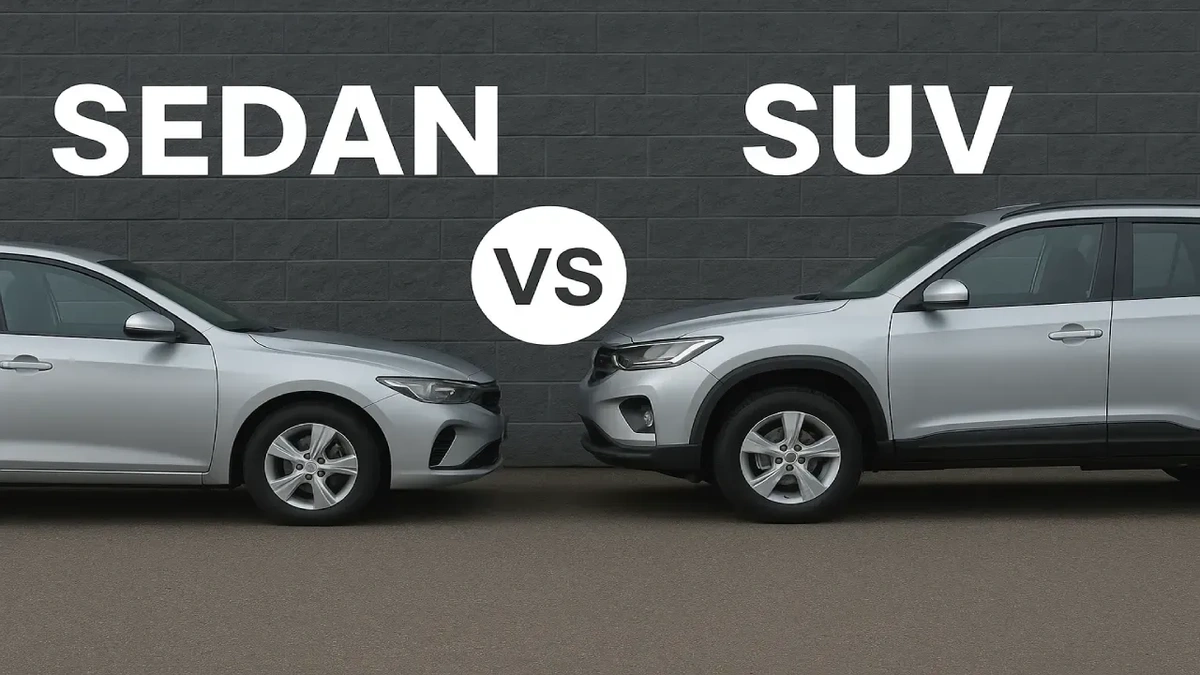
Let’s be honest, walking into a car dealership in the USA can feel like stepping onto a battlefield. On one side, you have the sleek, ground-hugging sedans, whispering promises of efficient commutes and nimble handling. On the other, the imposing SUVs, roaring with the allure of adventure, space, and a commanding view of the road. For many American car buyers, this isn’t just a choice between two vehicle types; it’s a decision loaded with lifestyle aspirations, practical needs, and a dash of social signaling. But what if I told you that the narrative we’ve been fed about the SUV vs sedan pros and cons USA market often misses the deeper, more nuanced truths? That’s what we’re diving into today.
I’ve spent years observing how the American automotive landscape shifts, and what truly fascinates me isn’t just what people are buying, but why they’re making those choices, and more importantly, what they might be overlooking. This isn’t about telling you what to buy; it’s about equipping you with the insider analysis to make an informed decision that truly fits your life, not just the latest trend.
The Rise of the SUV | More Than Just a Trend
It’s undeniable: SUVs have dominated the American market for well over a decade. From compact crossovers to full-size behemoths, they’re everywhere. Initially, the appeal was clear: higher ground clearance, available all-wheel drive, and a perceived sense of safety and utility. People loved the idea of being ready for anything, from a snowy commute to a weekend camping trip. The elevated seating position became a significant draw, offering a better view of traffic and, for some, a feeling of security.
But here’s the thing: this surge wasn’t just about genuine utility for every buyer. A significant portion of the SUV’s success comes from clever marketing and evolving design. Many modern crossovers are built on car platforms, offering a car-like ride with an SUV aesthetic. They offer a compromise, giving the look and some of the practicality (hello, cargo space SUV!) without the full ruggedness or sometimes, the less desirable fuel economy SUV vs sedan difference of older, truck-based SUVs. This blend has blurred the lines, making the decision even more complex for the average consumer.
Sedans | The Understated Champion?
Now, let’s talk about the sedan. For decades, it was the quintessential family car, the reliable commuter, the executive’s choice. While their market share has shrunk, sedans are far from obsolete. In fact, for certain drivers, they remain the superior choice, often without realizing it. What are we missing when we overlook them?
Sedans typically offer a lower center of gravity, which translates to superior driving dynamics sedan enthusiasts rave about. They often feel more planted, handle corners with greater precision, and can be genuinely fun to drive. For those who prioritize a smooth, responsive ride and don’t routinely haul large items or navigate rough terrain, a sedan can offer a more refined and engaging experience. Plus, with advancements in design, modern sedans are surprisingly spacious and comfortable, often challenging the assumption that you need an SUV for passenger comfort.
Beyond the Hype | Deeper Pros and Cons USA Buyers Need to Know
Alright, let’s get down to brass tacks. This is where we peel back the layers and look at the real implications of choosing one over the other in the American context. It’s not just about what looks good in your driveway; it’s about long-term costs, everyday practicality, and even your peace of mind.
Fuel Efficiency | The Silent Wallet Drainer
While technology has improved, generally speaking, sedans still hold an edge in fuel efficiency. Their lighter weight and more aerodynamic profiles mean they typically consume less gas. This might seem like a small difference on paper, but over years of driving, especially with fluctuating gas prices in the USA, it adds up to a significant amount of money. When considering the overall cost of ownership SUV models often present a higher bill at the pump. If you’re commuting long distances daily, this factor alone could swing your decision.
Safety Features and Perceptions
Many people assume SUVs are inherently safer due to their size and height. And yes, in a collision with a smaller vehicle, an SUV’s mass can be an advantage. However, modern sedans are packed with advanced safety features and often achieve stellarsafety ratings carsacross the board. The National Highway Traffic Safety Administration (NHTSA) and the Insurance Institute for Highway Safety (IIHS) conduct rigorous tests, and many sedans consistently earn top marks. Don’t let perceived bulk overshadow actual engineering and safety technology. In fact, SUVs can have a higher center of gravity, which historically made them more prone to rollovers, though this has largely been mitigated by electronic stability control systems in newer models.
Driving Experience | Agility vs. Command
This is a subjective one, but crucial. If you enjoy a car that feels connected to the road, with precise steering and minimal body roll, a sedan’s driving experience is often superior. Navigating tight parking lots or winding back roads can be a joy. SUVs, especially larger ones, can feel more ponderous. While many offer a comfortable, commanding view, their size can makeurban driving SUVmodels a bit more challenging, particularly when parallel parking or maneuvering in congested areas.
Cargo Capacity vs. Usable Space
Yes, an SUV generally boasts more raw cargo capacity, especially with seats folded down. This is fantastic for hauling furniture, large sports equipment, or copious amounts of groceries. But consider how often you truly need that maximum space. For everyday use, a sedan’s trunk, while less versatile, often provides ample secure storage. Plus, accessing items in a sedan’s trunk can sometimes be easier than lifting them into a higher SUV cargo bay. The utility of an SUV is undeniable for certain lifestyles, but for many, a sedan’s trunk, perhaps complemented by a roof rack for occasional needs, is perfectly adequate.
Cost of Ownership | Hidden Expenses
Beyond the purchase price, consider insurance, maintenance, and depreciation. Generally, the cost of ownership SUV models can be higher. Heavier vehicles often mean more wear and tear on tires and brakes, leading to more frequent replacements. Insurance premiums can also be higher for SUVs, especially luxury models. And while SUVs have historically held their value well, the market is constantly shifting. Understanding the resale value vehicles of both types in your specific region is vital. Some segments, like ahybrid sedan cars USAmarket, might offer surprising long-term value due to fuel efficiency and demand.
Making the Call | Your Lifestyle, Your Ride
So, how do you decide between an SUV vs sedan? It boils down to a deeply personal assessment of your priorities and lifestyle. Are you a growing family needing generous family vehicles space and occasional towing capability? Or are you a city dweller prioritizing nimble handling, parking ease, and maximum fuel efficiency? Perhaps you’re somewhere in between, seeking a balance of both worlds.
Don’t fall for the idea that one is inherently superior. The best car for you is the one that aligns with your actual needs and desires, not just what’s popular. Test drive both, consider your budget beyond the sticker price, and honestly evaluate your daily driving habits. The market even offers niche vehicles, like specialized2 door cars India, which, while not directly comparable to the US SUV/sedan dilemma, highlight how diverse automotive needs can be globally.
Frequently Asked Questions About SUV vs Sedan
Is an SUV always more expensive to insure than a sedan?
Not always, but often. Factors like repair costs, theft rates, and vehicle value play a role. While SUVs typically have higher purchase prices and potentially more expensive parts, insurance rates are determined by many variables. It’s always best to get quotes for specific models.
Do sedans have better resale value than SUVs?
Historically, SUVs have often had stronger resale values due to high demand. However, this trend can fluctuate based on fuel prices, market saturation, and the specific model’s reliability and popularity. Premium sedans, especially luxury or performance models, can hold their value very well.
Are SUVs really safer for my family?
Modern sedans offer excellent safety. While SUVs can offer a commanding view and a feeling of security, advanced safety features and crashworthiness ratings in sedans are often on par with or even superior to many SUVs. Always check specific crash test ratings for any vehicle you’re considering.
What about off-road capabilities? Don’t SUVs win there?
True, many SUVs, especially those with robust 4WD systems and higher ground clearance, are designed for off-road adventures. However, most crossovers and smaller SUVs are not built for serious off-roading and are primarily designed for paved roads and light trails. If true off-road capability is a priority, you’ll be looking at specific, purpose-built SUVs.
Are sedans becoming obsolete in the USA?
Despite declining sales, sedans are far from obsolete. They continue to evolve, offering impressive technology, fuel efficiency, and driving dynamics. Manufacturers are still investing in new sedan models, recognizing a loyal customer base that values their distinct advantages.
Ultimately, the choice between an SUV vs sedan in the USA is more nuanced than a simple popularity contest. It’s about understanding the practical implications, the hidden costs, and how each vehicle truly fits into the fabric of your daily life. Don’t let the prevailing winds of automotive trends dictate your decision. Do your homework, listen to your needs, and choose the ride that makes you genuinely happy, mile after mile. Because at the end of the day, your car should serve you, not the other way around.