
 By Car gamerewardz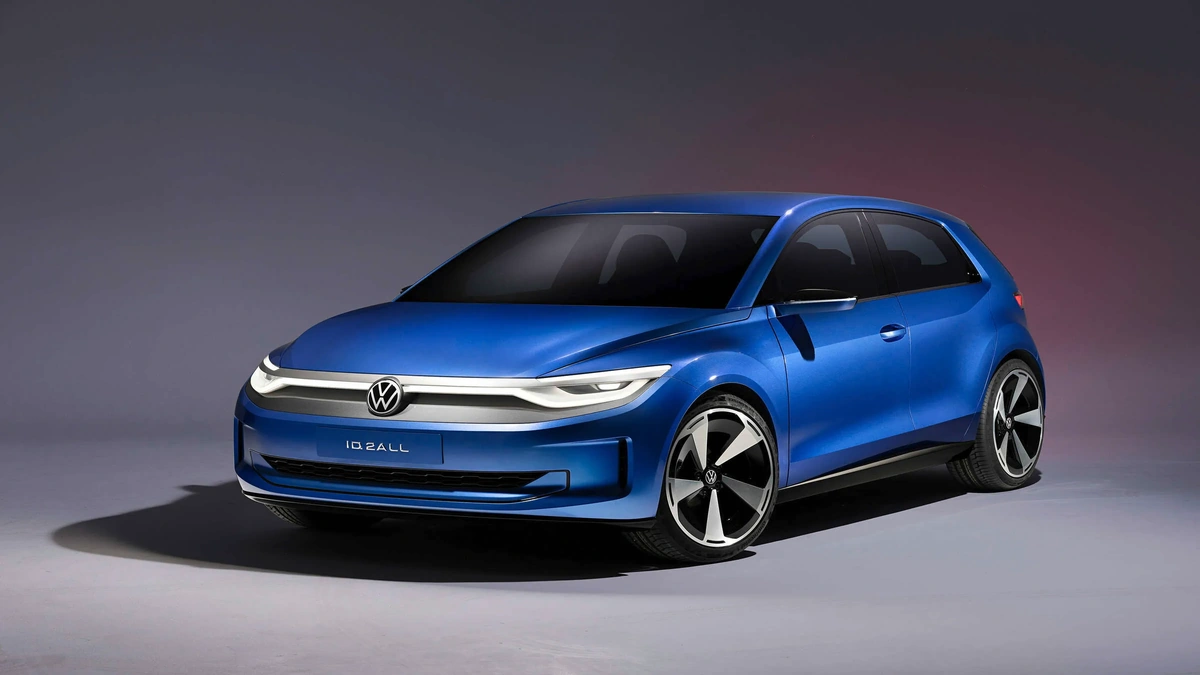
Alright, let’s grab a virtual coffee and talk cars, specifically the ones making waves in Europe by 2026. Here’s the thing: when we talk about upcoming hatchback cars Europe 2026, it’s not just about a fresh coat of paint or a snazzier infotainment system. Oh no, this is a much deeper conversation. We’re witnessing a quiet revolution, a seismic shift in what defines a ‘small car’ on the continent, and understanding why these changes are happening is far more interesting than just knowing what models are coming.
Think about it: Europe has always been the spiritual home of the hatchback. From the iconic Golf to the nimble Clio, these cars have been the backbone of urban mobility and family life for decades. But the world, and indeed Europe, is changing at warp speed. Environmental regulations are tightening their grip, technological advancements are accelerating, and our very relationship with personal transport is evolving. So, when we peer into the crystal ball for 2026, what we see isn’t just a new line-up; it’s a reflection of Europe’s automotive soul undergoing a profound transformation. And trust me, it’s going to surprise a lot of people.
The Electric Tsunami | Why Petrol’s Reign is Ending in the Small Car Segment
Let’s be brutally honest: the internal combustion engine’s days are numbered, especially in the compact segment. The primary driver? Stricter emissions standards. Europe, with its ambitious climate targets, is pushing hard for electrification, and that pressure is felt most acutely in the smaller, more affordable car categories. Manufacturers simply can’t afford to develop new petrol-only engines for these segments when the regulatory landscape is so clearly pointing towards zero emissions. This isn’t just a trend; it’s a mandate.
What this means is that a significant portion of the upcoming hatchback cars Europe 2026 will be electric vehicles. We’re not talking about niche, expensive EVs anymore. The focus is on making electric mobility accessible, practical, and, crucially, affordable for the masses. This shift will redefine everything from vehicle architecture to the very sound (or lack thereof) of your daily commute. The days of a simple 1.0L turbo petrol engine being the default choice for a small hatchback are rapidly fading into the rearview mirror. This is the small car segment evolution in full swing, driven by policy and innovation.
The implications are massive. For consumers, it means a new learning curve – understanding charging, range anxiety (which, honestly, is often overblown for urban driving), and the different driving dynamics of an EV. For manufacturers, it’s a race to innovate, to bring down battery costs, and to build efficient, desirable electric hatchbacks Europe can embrace. This isn’t just about selling cars; it’s about reshaping an entire ecosystem, from energy grids to repair shops. It’s a fascinating challenge, and the solutions emerging by 2026 will be truly groundbreaking.
More Than Just Compact | The Evolution of European Car Market Trends
Beyond electrification, there’s another fascinating layer to the European car market trends for 2026: the redefinition of ‘compact.’ Historically, compact meant a certain compromise on space and features. Not anymore. With clever packaging thanks to electric platforms (no bulky engine or transmission tunnel!), designers are creating compact electric vehicles that offer surprisingly generous interior room and advanced technology previously reserved for larger, more expensive cars. This is where the magic happens – more space, more tech, in a footprint perfect for bustling European cities.
This focus on smart design and efficient use of space directly impacts future urban mobility. As cities become more congested and parking remains a premium, the ability to navigate tight streets and slot into smaller spaces becomes increasingly valuable. These new hatchbacks aren’t just smaller versions of bigger cars; they’re purpose-built for the urban environment, often integrating with smart city infrastructure and offering connectivity features that enhance the entire driving (and parking) experience. They are, in essence, mobile hubs designed for modern life.
And let’s not forget the aesthetic. While practical, these cars aren’t sacrificing style. Expect bold, distinctive designs that stand out from the crowd. Manufacturers are keen to make their electric offerings visually appealing, signaling a fresh start rather than just an adaptation. This blend of form and function will be key to their success in a market that values both efficiency and flair. It’s a delicate balance, but one that the automotive industry is working hard to perfect. If you’re looking for something a bit different, perhaps abest hatchback under 20000 dollars, the 2026 European market might just surprise you with its offerings.
What to Expect | Key Players and Their 2026 Game Plan
So, who are the big names to watch in this unfolding drama? Naturally, the European giants like Volkswagen, Stellantis (Peugeot, Fiat, Opel), and Renault will be at the forefront. Volkswagen, with its ID.2 and ID.2all concepts, has already signaled its intent to deliver affordable, high-quality electric hatchbacks. Stellantis is leveraging its STLA Small platform to bring a raft of new electric compacts from brands like Fiat (think a new electric Panda or Punto) and Peugeot (e-208 successors). Renault, too, is investing heavily in its Ampere division, promising electric versions of its beloved Clio and potentially a modern R5.
But it’s not just the traditional players. Asian manufacturers, particularly from China, are making significant inroads, offering compelling electric options that challenge established pricing structures and technological norms. They’re forcing everyone to up their game, accelerating innovation and making the market incredibly competitive. This competition is fantastic for consumers, driving down prices and increasing feature sets.
When considering petrol vs EV hatchbacks, by 2026, the discussion will largely revolve around residual petrol models versus the rapidly expanding EV range. While some manufacturers might still offer hybrid or even efficient petrol options for a few years, the momentum is undeniably with electric. The technological advancements will include faster charging, improved battery density for longer ranges, and sophisticated driver-assistance systems that make urban driving safer and less stressful. The future of driving is being shaped right now, and these models are its vanguard.
Beyond the Specs | Why These Cars Matter for Your Wallet and the Planet
Let’s cut to the chase: why should you care about these upcoming hatchback cars Europe 2026? Well, for your wallet, the long-term running costs of electric vehicles are generally lower, thanks to cheaper electricity compared to petrol and reduced maintenance (fewer moving parts). Government incentives for EV purchases, though varying by country, also play a crucial role in making them more attractive upfront. This shift is about making sustainable transport not just an ideal, but an economic reality for everyday Europeans.
From an environmental perspective, the benefits are clear. A widespread adoption of electric hatchbacks will significantly contribute to cleaner air in cities and a reduction in overall carbon emissions, aligning with Europe’s ambitious climate goals. The transition is not without its challenges, of course – battery production, recycling, and grid capacity are all parts of the puzzle – but the direction is firmly set. The car industry regulations Europe has put in place are designed to accelerate this change, creating a healthier, quieter future for its citizens. It’s a move towards genuine sustainable mobility.
This isn’t just about individual car choices; it’s about a collective societal shift. These new hatchbacks represent Europe’s commitment to innovation, sustainability, and a forward-thinking approach to urban living. They are a tangible sign that the continent is embracing a greener, more connected future, one small, efficient, and increasingly electric car at a time. It’s an exciting time to be an automotive enthusiast, or simply someone who appreciates progress.
Your Burning Questions About Europe’s 2026 Hatchbacks, Answered
Will petrol hatchbacks disappear entirely by 2026?
While the focus is heavily on electrification, it’s unlikely petrol hatchbacks will disappear entirely by 2026. However, their numbers will be significantly reduced, and new petrol models will be rare. Most new introductions will be electric, with some manufacturers still offering efficient hybrid or existing petrol models, especially in countries with less developed EV charging infrastructure. The trend is clear, though: electric is the future.
What makes these new electric hatchbacks different from current EVs?
The upcoming hatchback cars Europe 2026 will build on current EV technology by offering improved battery efficiency (longer range for the same size/weight), faster charging capabilities, and more integrated digital ecosystems. Crucially, many will be designed from the ground up as EVs, allowing for better interior packaging, more dynamic driving characteristics, and often, more affordable price points as economies of scale improve. They’ll be more refined and user-friendly for the average consumer.
How will charging infrastructure keep up with the influx of new EVs?
This is a critical question! While the growth of charging infrastructure varies across European countries, there’s significant investment both privately and publicly to expand it. By 2026, expect more public charging points (especially fast chargers), better integration with home charging solutions, and smart grid technologies to manage demand. However, it will remain an ongoing challenge that requires continuous effort and innovation, perhaps even impacting decisions onupcoming sedan cars usatoo.
Are these upcoming models suitable for long-distance travel?
Absolutely. Modern electric hatchbacks, and certainly those coming by 2026, are increasingly capable of long-distance travel. Improved battery ranges (often exceeding 300-400 km on a single charge for newer models) combined with a growing network of rapid chargers make longer journeys feasible. Planning is still key, but the days of EVs being purely urban vehicles are rapidly becoming a thing of the past. The future of driving is about versatility.
What’s the expected price range for the new upcoming hatchback cars Europe 2026?
While exact prices are still speculative, the industry is striving to bring down the cost of electric hatchbacks. Many manufacturers are targeting a price point competitive with equivalent petrol models, aiming for around €25,000-€35,000 before incentives for entry-level models. This affordability, combined with lower running costs, is crucial for widespread adoption and makes the upcoming hatchback cars Europe 2026 a very compelling proposition.
So, as we look towards 2026, remember this: the humble hatchback isn’t just evolving; it’s undergoing a metamorphosis. It’s becoming smarter, cleaner, and more attuned to the demands of a rapidly changing world. These aren’t just cars; they’re a statement about Europe’s future, a testament to innovation, and a glimpse into a more sustainable way of moving through life. Keep your eyes peeled; the quiet revolution is about to get a lot louder.