
 By Car gamerewardz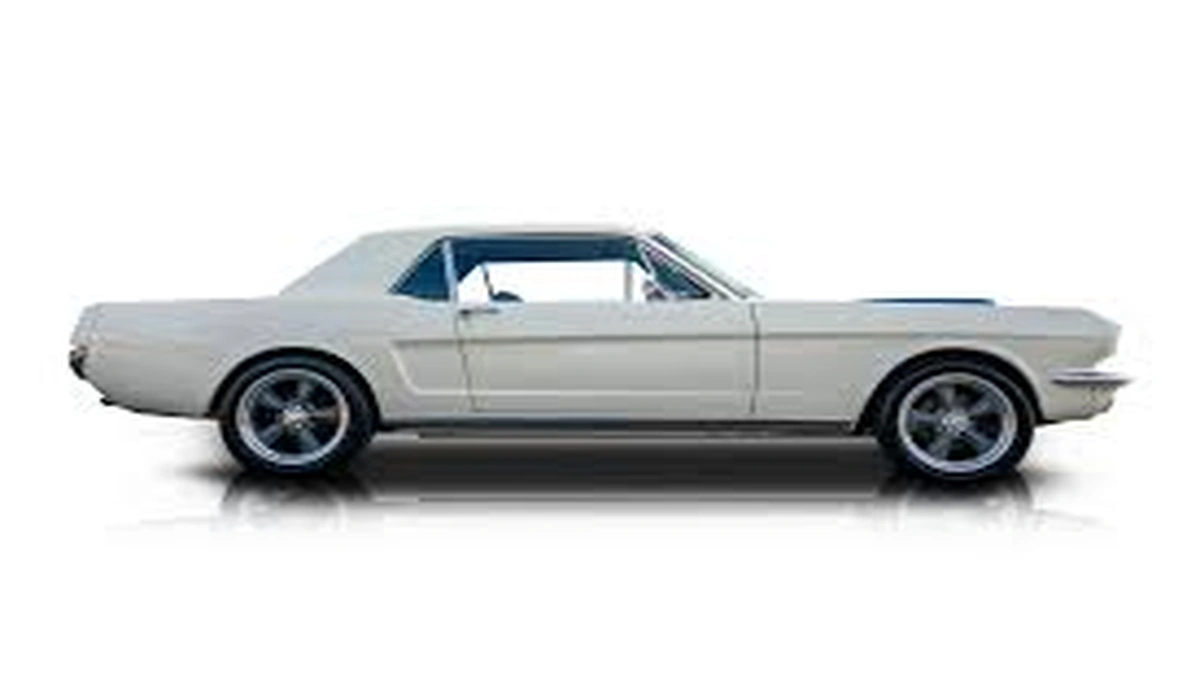
Alright, let’s be honest. Who hasn’t dreamt of the open road, the wind in your hair (or at least the roar of an engine), and that undeniable feeling of power beneath your fingertips? For many, the idea of owning a sports car feels like a distant fantasy, a luxury reserved for the ultra-rich. But here’s the thing: it doesn’t have to be. I’m here to tell you that the dream of owning a truly exhilarating used sports car under 40000 USA is not just possible, it’s entirely within reach. And trust me, navigating this market can be a bit like a treasure hunt, but with the right map, you’ll find some incredible affordable sports cars that will make your pulse race.
Think about it: the depreciation curve on many high-performance vehicles means that what was once an eye-wateringly expensive machine can, after a few years, become an incredibly compelling proposition for the savvy buyer. This isn’t just about getting a car; it’s about buying an experience, a statement, a piece of automotive art that still delivers that pure, unadulterated joy of driving. But how do you actually find these gems without getting burned? That’s where I come in. Let’s walk through this together, step-by-step, so you can confidently drive away in your dream machine.
The Golden Rule | Research, Research, Research
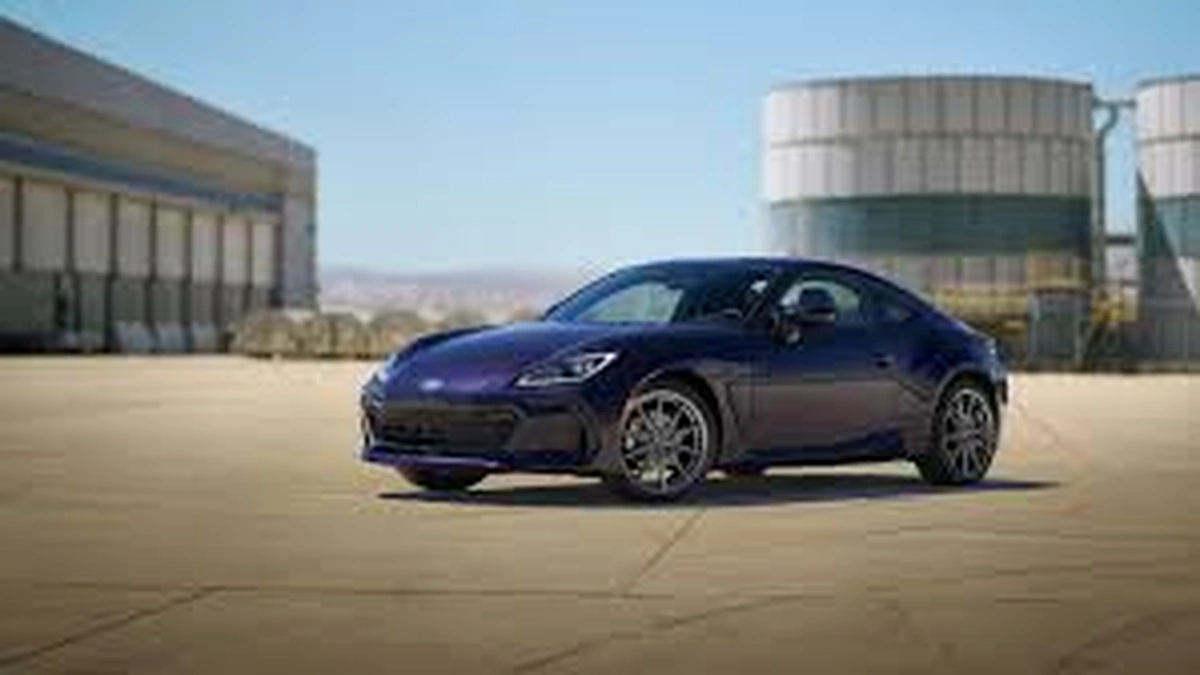
Before you even think about test drives or financing, your most powerful tool is knowledge. The market for used sports cars under 40000 USA is vast and varied, ranging from nimble roadsters to powerful muscle cars and sophisticated German engineering. You need to understand what you’re getting into. My advice? Start by identifying your priorities. Are you after outright speed, razor-sharp handling, or a comfortable cruiser with a bit of bite? This initial self-reflection will narrow down your search significantly.
One common mistake I see people make is falling in love with a car’s looks without considering its long-term implications. While a Ferrari for $35,000 might sound like a steal, the maintenance bill could easily buy you another car. That’s why focusing on best budget sports cars known for their relative sports car reliability is crucial in this price bracket. Think models like the Porsche Boxster/Cayman (987 generation), certain BMW Z4s or 1-Series coupes, Ford Mustangs (especially the Coyote V8s), or even a well-maintained Chevrolet Corvette C6. These cars offer incredible driving experience sports car enthusiasts crave without necessarily breaking the bank on every service.
I always recommend diving deep into owner forums and reliability surveys. Sites likeEdmundsand Consumer Reports can provide valuable insights into common issues, recall histories, and overall owner satisfaction. This is where you start to uncover the true cost of ownership, beyond the sticker price. Understanding thenuances of different car types, even if you’re set on a sports car, can help contextualize your choice.
What to Look For | Beyond the Horsepower
Once you’ve got a shortlist of potential candidates, it’s time to get pragmatic. This isn’t just about finding any pre-owned performance vehicle; it’s about finding the right one. Visual appeal is one thing, but mechanical integrity is everything. When you’re looking at a car, don’t be afraid to be thorough. Check for consistent panel gaps, signs of overspray (indicating accident repair), tire wear patterns (uneven wear can point to suspension issues), and fluid leaks under the hood.
The single most important step you can take when considering a budget sports car USA is a pre-purchase inspection (PPI) by an independent, trusted mechanic who specializes in the make and model you’re considering. This is non-negotiable. I’ve seen too many people skip this, only to face thousands in unexpected repairs. A PPI, typically costing a few hundred dollars, will provide a detailed used car inspection checklist and uncover hidden problems that even a meticulous visual inspection might miss, giving you peace of mind or a strong negotiation point. They can spot things like impending clutch failure, worn suspension components, or electrical gremlins that could turn your dream into a nightmare.
Also, scrutinize the service records. A well-documented service history is gold. It tells you the car has been cared for and gives you a roadmap of its past health. Missing records? That’s a red flag, signaling potential neglect or undisclosed issues. Remember, you’re looking for a reliable sports car, and proof of consistent maintenance is a huge part of that.
The Art of the Deal | Negotiation & Financing
So, you’ve found “the one” – a fantastic under $40,000 sports car that passed its PPI with flying colors. Now comes the exciting part: making it yours. Don’t rush into it. The first step is to know its true market value. Websites likeKelley Blue Book(KBB) and NADAguides offer excellent valuation tools based on condition, mileage, and features. This information is your leverage.
When negotiating, be polite but firm. Highlight any minor imperfections the PPI may have found, or point to market data that suggests a slightly lower price. Remember, the seller wants to sell, and you want to buy; there’s always a middle ground. Don’t be afraid to walk away if the deal doesn’t feel right. There will always be other sports car deals out there. Sometimes, the best negotiation tactic is patience.
Regarding financing used sports cars, explore your options before you even step foot in a dealership. Get pre-approved for a loan from your bank or credit union. This gives you a clear budget and puts you in a stronger position, as you’re essentially a cash buyer. Dealers often mark up interest rates, so having your own financing ready can save you a significant amount over the life of the loan. Also, consider the practicality aspects; for example, if you need more cargo space, you might find some interesting comparisons in our guide onsedan boot space comparison, though sports cars are a different beast entirely!
Post-Purchase Ponderings | Ownership Costs
Congratulations! You’re now the proud owner of a thrilling performance vehicle. But the journey doesn’t end when you drive off the lot. Owning a sports car, even a used one, comes with ongoing expenses that you absolutely must factor into your budget. This is where many first-time sports car owners get caught off guard.
First up is insurance costs sports cars. Performance vehicles, by their very nature, are more expensive to insure. Factors like engine size, horsepower, potential repair costs, and even your driving record will heavily influence your premiums. Get quotes before you buy, not after. This is part of `what to look for in a used sports car` beyond just the purchase price.
Then there’s maintenance costs sports car. While you’ve chosen a reliable model, sports cars often use specialized parts and fluids, and labor rates for performance shops can be higher. Tires, especially performance-oriented ones, wear faster and are more expensive to replace. Brakes, too, can be a significant recurring cost. Don’t skimp on maintenance; it’s the best way to preserve your investment and ensure your car remains a joy to drive.
Finally, consider the depreciation curve sports cars. While you’ve already let the first owner take the biggest hit, your car will continue to depreciate. Keeping it well-maintained, garaged, and driving it responsibly will help slow this down. Understanding these sports car market trends is key to making a smart long-term decision.
Ultimately, buying a used sports car under 40000 USA is an exciting endeavor that requires a blend of passion and pragmatism. With careful research, a thorough inspection, smart negotiation, and a realistic understanding of ownership costs, you won’t just buy a car; you’ll invest in countless moments of pure driving bliss. The thrill is indeed real, and it’s waiting for you.
Frequently Asked Questions
Is it really possible to find a good sports car under $40,000?
Absolutely! The used car market is rich with excellent performance vehicles that have depreciated into this budget. With diligent research and patience, you can find a fantastic deal.
What are some reliable used sports car models to consider?
Models often praised for their reliability in this price range include the Porsche Boxster/Cayman (987), Ford Mustang GT (2011+), Chevrolet Corvette C6, BMW Z4, and Mazda MX-5 Miata (though often under $30K, it’s a fantastic option).
Should I get a pre-purchase inspection (PPI)?
Yes, unequivocally. A PPI by an independent mechanic specializing in the make is the single most important step to avoid costly surprises and ensure you’re buying a mechanically sound vehicle.
How much should I budget for insurance and maintenance?
This varies greatly by model, your driving history, and location. As a rule of thumb, budget 10-15% of the car’s purchase price annually for insurance and maintenance, especially for higher-performance models.
Where’s the best place to search for these cars?
Start with reputable online marketplaces like Autotrader, Cars.com, and CarGurus. Also, check manufacturer-certified pre-owned programs and specialist dealerships. Don’t overlook enthusiast forums, which often have well-maintained cars for sale.
What’s the biggest mistake buyers make in this price range?
The biggest mistake is skipping the pre-purchase inspection and neglecting to budget for ongoing ownership costs (insurance, maintenance, tires). A cheap purchase price can quickly become expensive without proper due diligence.