
 By Car gamerewardz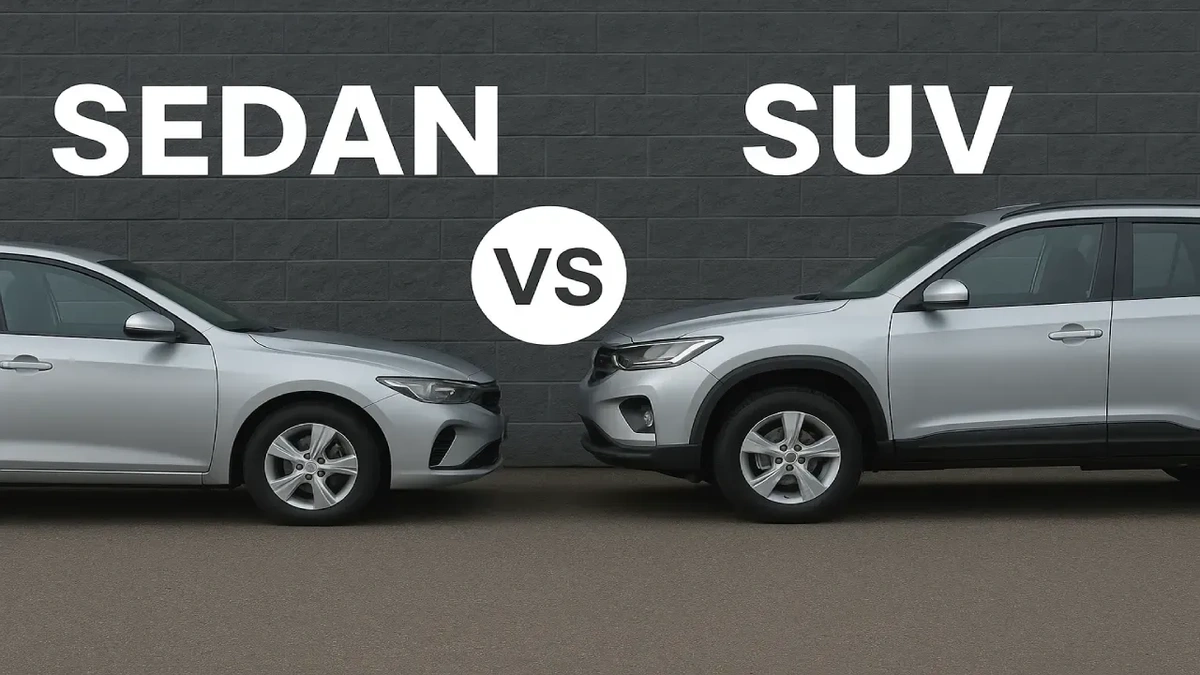
Alright, let’s grab a coffee and talk cars, specifically about something that hits everyone’s wallet:fuel economy. For years, the conventional wisdom has been crystal clear: if you want good gas mileage , you buy a sedan. SUVs? Those are for hauling, for space, for that commanding view of the road, but certainly not for sipping fuel, right? Well, here’s the thing… that picture, especially here in the USA , is getting incredibly blurry. And honestly, it’s fascinating to watch.
I initially thought this was a straightforward comparison, a simple numbers game of MPG figures. But then I realized, the deeper question isn’t just what the numbers are, but why they’ve changed so dramatically, and what that means for your next car purchase. We’re not just comparing two types of vehicles; we’re witnessing a seismic shift in automotive engineering, consumer priorities, and even our understanding of what constitutes a ‘practical’ car. It’s not just about the sticker price anymore; it’s about the long game, the hidden costs, and the surprising truths that lie beneath the surface of the sedan vs SUV fuel economy USA debate.
The Shifting Sands of Fuel Efficiency | Beyond the Brochure
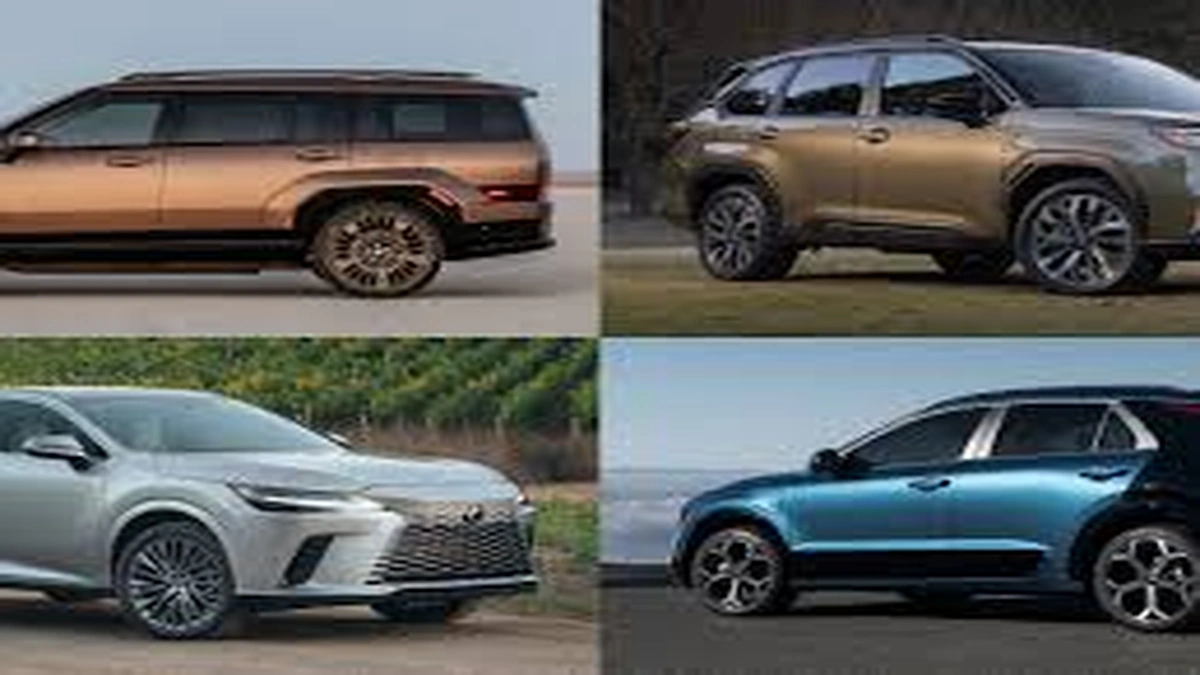
Remember when an SUV meant a truck-based chassis, heavy, and thirsty? Those days, my friend, are largely behind us. Modern SUVs, particularly the ever-popular crossovers, are often built on car platforms. This fundamental change is a game-changer for fuel efficiency . Manufacturers have poured billions into making these vehicles lighter, more aerodynamic, and equipped with far more advanced powertrains than their predecessors. So, when you look at a simple gas mileage comparison today, you can’t just assume the sedan wins by default.
What fascinates me is how quickly technology has evolved. We’re seeing direct injection, turbocharging, cylinder deactivation, and sophisticated automatic transmissions (some with 8, 9, or even 10 speeds!) becoming standard across the board, not just in luxury models. These aren’t just minor tweaks; they’re fundamental engineering marvels designed to squeeze every last drop of energy from a gallon of fuel. And guess what? SUVs are benefiting from these advancements just as much, if not more, than sedans because they had more ground to cover.
Under the Hood | Why Modern SUVs Are Closing the Gap
Let’s talk specifics. Why are today’s SUVs surprisingly efficient? It boils down to a few key factors affecting fuel efficiency . First, aerodynamics . While a traditional boxy SUV will always struggle against a sleek sedan, many modern crossovers are designed with surprisingly slippery profiles. Think sloped rear windows, underbody paneling, and active grille shutters that close at highway speeds to reduce drag. These small details add up significantly.
Second, engine technology. The days of only large, naturally aspirated V6 or V8 engines in SUVs are dwindling. Now, you’ll find small, turbocharged four-cylinder engines delivering impressive horsepower and torque, often coupled with excellent SUV MPG figures. These smaller engines work harder but are incredibly efficient. Sedans still excel in pure aerodynamic terms, offering fantastic sedan MPG , but the gap isn’t what it used to be. For instance, a compact SUV might now offer better combinedMPGthan a mid-size sedan from a decade ago. That’s progress for you.
Third, materials. Automakers are using lighter, high-strength steel, aluminum, and even composites to reduce vehicle weight without compromising safety. A lighter vehicle requires less energy to move, directly improving its fuel efficiency . This focus on weight reduction benefits both vehicle types, but again, it significantly helps larger vehicles like SUVs mitigate their inherent weight disadvantage.
The Hybrid & Electric Game Changer | A New Arena
Now, this is where the conversation truly gets interesting. The rise of hybrid vehicles and fully electric models has completely reshuffled the deck in the sedan vs SUV fuel economy USA debate. When you introduce a battery and an electric motor, the traditional rules of internal combustion engine efficiency become less dominant. Ahybrid SUV vs sedancomparison often yields surprising results, with many hybrid SUVs offering city MPG figures that were once unthinkable for any vehicle, let alone an SUV.
Think about it: in stop-and-go city traffic, where traditional gasoline engines are at their least efficient, hybrid SUVs can run on electric power for significant periods. This dramatically boosts their urban MPG . And then there are the electric SUVs . When you remove gasoline from the equation entirely, the discussion shifts from miles per gallon to miles per kilowatt-hour, and suddenly, the physical size of the vehicle becomes less of a primary limiter on ‘fuel’ economy. An electric SUV might have a longer range than an electric sedan, depending on battery size and motor efficiency, completely sidestepping the traditional fuel cost debate. This isn’t just a trend; it’s the future, and it’s making the old ‘sedans are always more efficient’ mantra sound very dated.
Your Driving, Your Wallet | It’s Not Just the Car
Let’s be honest, while the car’s engineering is crucial, a massive piece of the fuel economy puzzle rests squarely on your shoulders: your driving habits fuel economy . I’ve seen people drive a supposedly efficient sedan like a race car and get terrible gas mileage , while others gently pilot a large SUV and achieve surprisingly good results. Aggressive acceleration, hard braking, and excessive speeding are efficiency killers, regardless of what you’re driving. The EPA’s estimated MPG figures are achieved under specific test conditions, and real-world driving can vary wildly.
Beyond driving style, consider the full cost of ownership sedan vs SUV . Yes, fuel is a big part, but what about insurance, maintenance, tire replacement (SUVs often use larger, more expensive tires), and depreciation? Sometimes, a slightly less fuel-efficient vehicle might have lower insurance premiums or hold its resale value better, balancing out some of the fuel costs. It’s a holistic equation, not just a single variable. So, before you make a snap decision based on an outdated assumption, take a moment to analyze your own driving patterns and overall budget.
Frequently Asked Questions About Sedan vs. SUV Fuel Economy
Do SUVs really get worse gas mileage than sedans?
Not necessarily anymore. While traditionally true, modern engineering, lighter materials, advanced powertrains, and the proliferation of hybrid and electric options mean many SUVs now offer comparable or even better fuel economy than some sedans, especially in their respective categories.
What factors most impact a vehicle’s fuel efficiency?
Key factors include engine size and technology (e.g., turbocharging, direct injection), vehicle weight, aerodynamic design, transmission type, and crucially, your personal driving habits (acceleration, braking, speed).
Are hybrid SUVs more fuel-efficient than hybrid sedans?
It depends on the specific models. Generally, a hybrid sedan might still have a slight edge due to its smaller size and better aerodynamics. However, hybrid SUVs often achieve excellent city MPG due to their electric assist in stop-and-go traffic, making them very competitive overall.
How much does driving style affect fuel economy?
Significantly! Aggressive driving can reduce your fuel economy by 15% to 30% at highway speeds and 10% to 40% in stop-and-go traffic. Smooth acceleration, anticipating traffic, and maintaining steady speeds are key to maximizing your MPG.
Should I choose a sedan or SUV purely based on fuel economy?
No, it’s not the only factor. While fuel economy is important forlong-term costs, consider your needs for space, utility, safety features, driving dynamics, and overall budget, including purchase price, insurance, and maintenance. The ‘best’ choice is the one that balances all these factors for you.
So, the next time someone confidently declares that sedans are always the kings of fuel economy , you can offer them a knowing smile. The truth about sedan vs SUV fuel economy USA isn’t a simple black-and-white answer; it’s a vibrant, evolving landscape shaped by brilliant engineering, innovative technologies, and yes, even our own choices behind the wheel. The real win isn’t picking a sedan or an SUV based on old biases, but choosing the vehicle that genuinely fits your life, your needs, and your budget, armed with the most current and insightful information. Happy driving!